

 English
 中文简体
中文简体
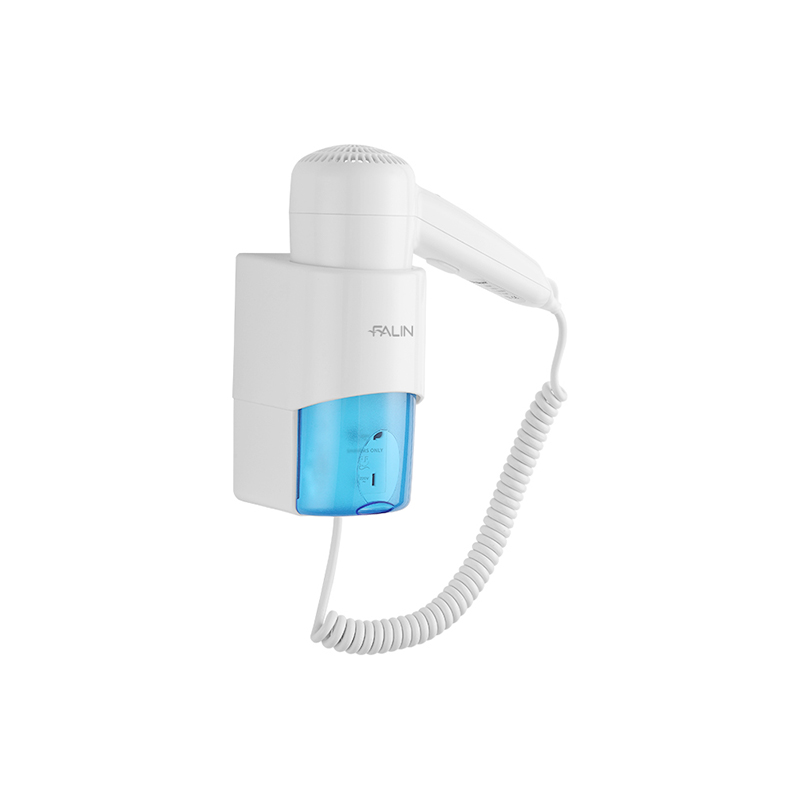
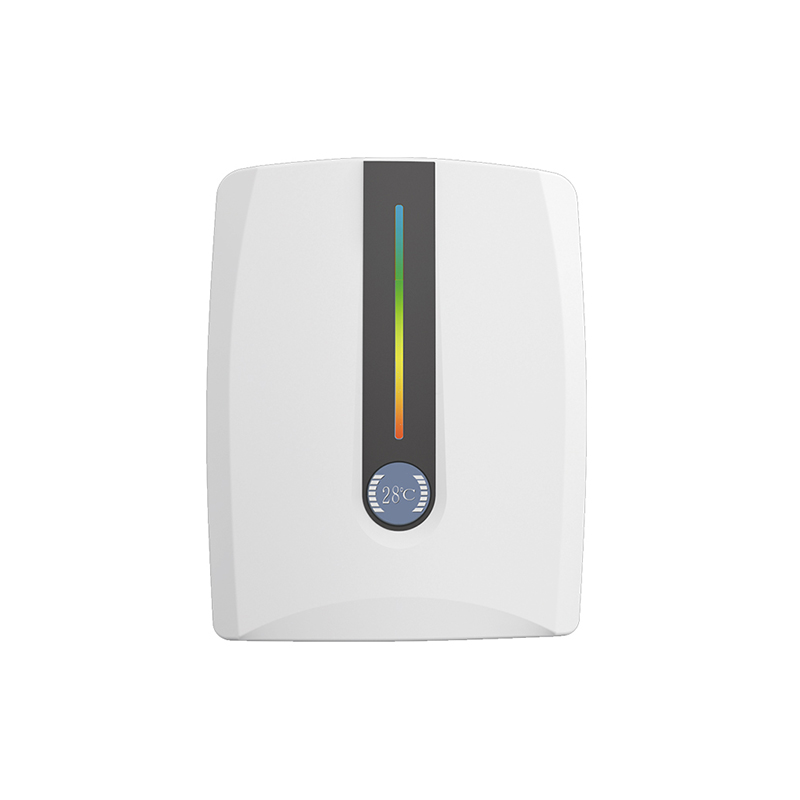
In commercial restroom planning, price tags often influence decisions too early. Many buyers hesitate when they see that a high speed hand dryer costs more upfront than traditional models. However, when the full lifecycle cost is considered, the ideal can shift significantly.
Looking Beyond Purchase Price
The real cost of a hand dryer includes more than just the machine itself. Installation, electricity consumption, and maintenance all contribute to the total expense over time. Among these, electricity usage becomes the dominant factor in high-traffic environments.
Traditional units usually operate at higher wattage and require longer drying times. In contrast, a high speed hand dryer is designed to push strong airflow that removes water quickly, reducing both drying time and energy use per cycle. This efficiency is what makes the difference over months and years.
Energy Use Comparison
To better understand the gap, consider a typical comparison between traditional models and a high speed hand dryer:
|
Item |
Traditional Dryer |
High Speed Hand Dryer |
|
Power Range |
1500–2500W |
800–1200W |
|
Drying Time |
30–45 seconds |
10–15 seconds |
|
Energy per Use |
Higher |
Lower |
|
Annual Usage (200 uses/day) |
High consumption |
Reduced consumption |
Even without exact numbers, it's clear that a high speed hand dryer operates more efficiently under frequent use conditions.
Calculating Real Savings
Imagine a public restroom with around 200 uses per day. Over a year, the energy difference between the two types becomes substantial. The lower per-use consumption of a high speed hand dryer adds up to noticeable savings.
In many cases, the additional upfront cost of a high speed hand dryer can be offset within a relatively short period. This is why procurement teams increasingly evaluate long-term operating expenses rather than focusing only on initial pricing.
Working directly with a high speed hand dryer factory can also help reduce procurement costs, especially for bulk orders or large facility projects.
Maintenance and Durability Factors
Another important aspect is maintenance. Traditional dryers often rely on heating elements that operate at higher temperatures, which can bring about faster wear over time. Repairs and part replacements may become more frequent.
A high speed hand dryer, on the other hand, often uses brushless or DC motors. These components are known for longer service life and more stable performance. Many designs from a professional high speed hand dryer factory are built for extended operation, reducing the need for frequent servicing.
Routine maintenance is typically simple, such as cleaning the exterior and ensuring airflow paths remain clear. This lowers both labor and downtime costs.
Reducing Paper Towel Dependency
In many commercial spaces, hand dryers are installed to reduce reliance on paper towels. When switching to a high speed hand dryer, the faster drying time improves user experience and encourages consistent use.
Over time, the reduction in paper towel consumption can become another major cost-saving factor. Facilities that previously relied heavily on disposable products often find that investing in a high speed hand dryer helps streamline both expenses and operations.
What to Check Before Buying
When selecting a high speed hand dryer, several key factors should be considered:
- Drying time: Models within 10–15 seconds are generally suitable for commercial use
- Motor type: Brushless motors offer longer lifespan and quieter operation
- Protection rating: For humid environments, IPX4 or higher is recommended
Sourcing from a reliable high speed hand dryer factory supports that these specifications are consistently met and that product quality remains stable across batches.
A Practical Perspective
A higher initial investment does not always mean higher overall cost. In the case of a high speed hand dryer, efficiency, durability, and reduced operating expenses often balance out the difference over time.
For facilities with steady foot traffic, choosing the right equipment is less about the purchase price and more about how the product performs every day.


 Building 19, Block 9, Bihu Wangyang Town, Liandu District, Lishui City, Zhejiang Province, China