

 English
 中文简体
中文简体
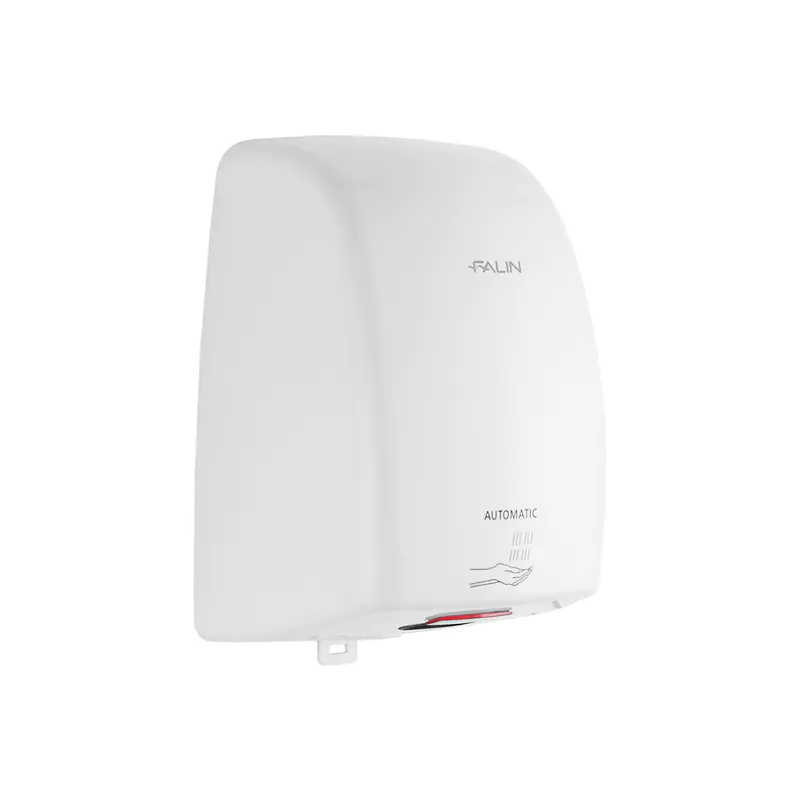
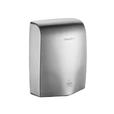
In a busy restroom, hand washing is only one part of the process. After washing, users still need to remove moisture from their hands before returning to work, shopping, dining, or other activities. An Automatic Hand Wash Dryer addresses this final stage through sensor activation and directed airflow, making hand drying part of the overall restroom workflow rather than a separate manual task.
Drying Time Matters in High-Traffic Areas
The number of people using a restroom can change considerably throughout the day. Airports, shopping centers, office buildings, schools, and restaurants may experience periods when many users need to wash and dry their hands within a short time.
An Automatic Hand Wash Dryer can respond to this situation through high-speed airflow. Falin's automatic high-speed model is specified with an air velocity of 76 m/s and a stated drying time of as little as 10 seconds. Its product information positions this type of equipment for commercial and public environments where reducing waiting time is relevant.
For facility managers, drying speed is therefore connected with how efficiently users can move through a shared restroom.
Sensor Activation Changes the User Interaction
Traditional hand dryers may require users to operate a button or switch. Automatic models use sensors to detect the user's hands and activate the airflow without direct contact.
The Automatic Hand Wash Dryer range listed by Falin includes fully automatic sensor models that use motion detection to start the drying process. One model specifies an air velocity of 15 m/s and a drying time of 10–12 seconds.
This type of operation changes the interaction between the user and the equipment. There is no need to touch a common control surface, and the dryer can stop when the user's hands are removed from the detection area.
Airflow Is More Than Motor Power
High-speed drying depends on the movement of air rather than simply increasing the amount of heat. Motor speed, air outlet design, airflow direction, and the distance between the hands and outlet can all influence how moisture is removed.
For an Automatic Hand Wash Dryer, these elements need to work together. Falin's commercial hand-dryer range includes models with different combinations of motor power, air velocity, heating power, and drying time, showing that there is no single configuration for every restroom.
Some models also provide hot and cold air options, allowing the drying process to be adjusted according to the equipment configuration and intended environment.
Paper Reduction Changes Facility Management
Hand-drying equipment also affects what happens after users leave the restroom. Paper towels require storage, replenishment, collection, and disposal, while an electric dryer shifts these requirements toward equipment maintenance and electricity use.
For high-traffic facilities, this difference can influence how restroom operations are organized. The Automatic Hand Wash Dryer becomes part of the facility's ongoing maintenance system, where cleaning, sensor inspection, airflow performance, and electrical checks can matter over the equipment's service life.
This does not mean every facility will have identical operating requirements. Usage frequency, installation environment, electricity availability, and user volume all influence which drying method is appropriate.
Installation Environment Influences Equipment Choice
A dryer installed in an airport restroom can face very different usage conditions from one installed in a small office. High-traffic locations may place greater emphasis on drying speed, durability, and frequent operation, while smaller facilities may place greater emphasis on compact dimensions and operating noise.
Falin's product range includes commercial intelligent sensor dryers, stainless steel high-speed models, and smaller wall-mounted units, reflecting different combinations of airflow, power, materials, and installation requirements.
For B2B buyers, selecting an Automatic Hand Wash Dryer therefore involves looking at the environment in which the unit will actually operate.
Drying Equipment Becomes Part of Restroom Design
Modern hand dryers are no longer simply electrical replacements for paper towels. Sensor technology, airflow engineering, mounting arrangements, power consumption, and maintenance requirements all influence how the equipment fits into a commercial restroom.
An Automatic Hand Wash Dryer is consequently best viewed as one component of the complete hand-washing process. The equipment has to respond quickly when users need it, operate without unnecessary physical contact, and provide an airflow pattern suitable for the intended application.
As public and commercial facilities continue to pay attention to user flow and restroom management, automatic drying technology is becoming increasingly connected with the wider design of shared hygiene spaces rather than being treated as an isolated appliance.


 Building 19, Block 9, Bihu Wangyang Town, Liandu District, Lishui City, Zhejiang Province, China