

 English
 中文简体
中文简体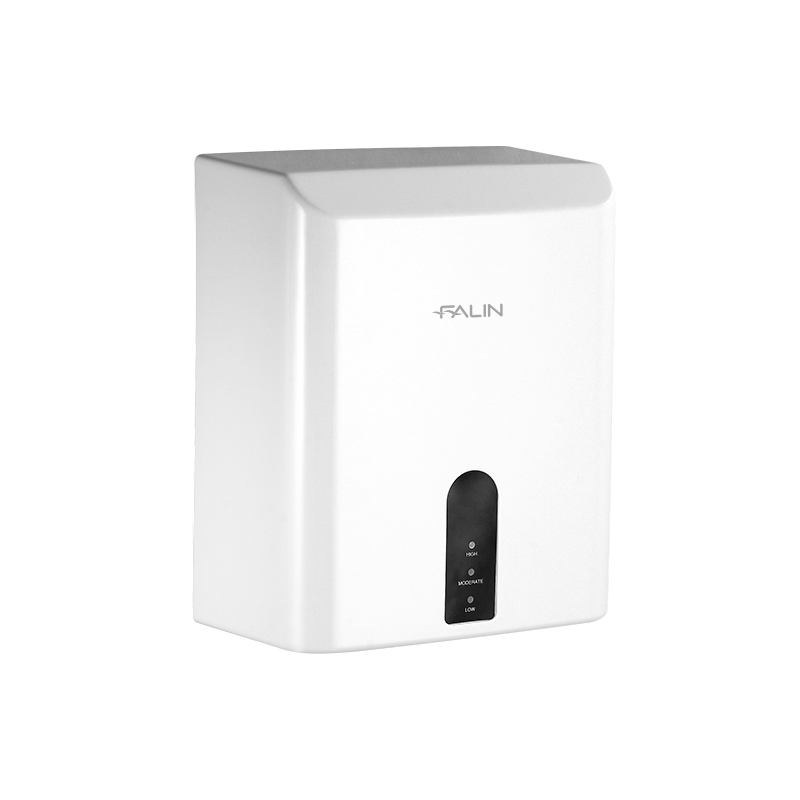
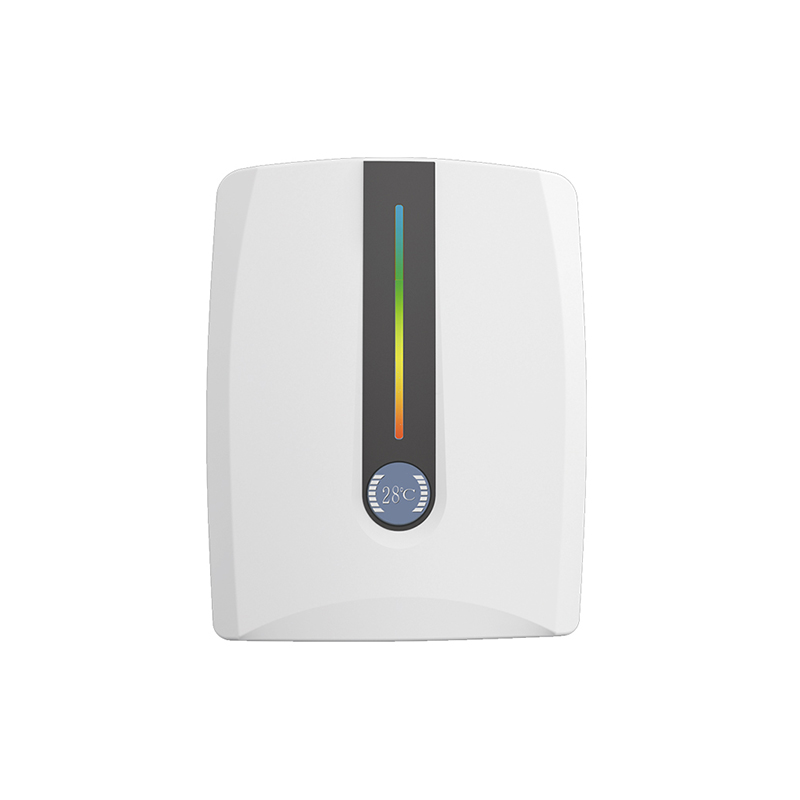
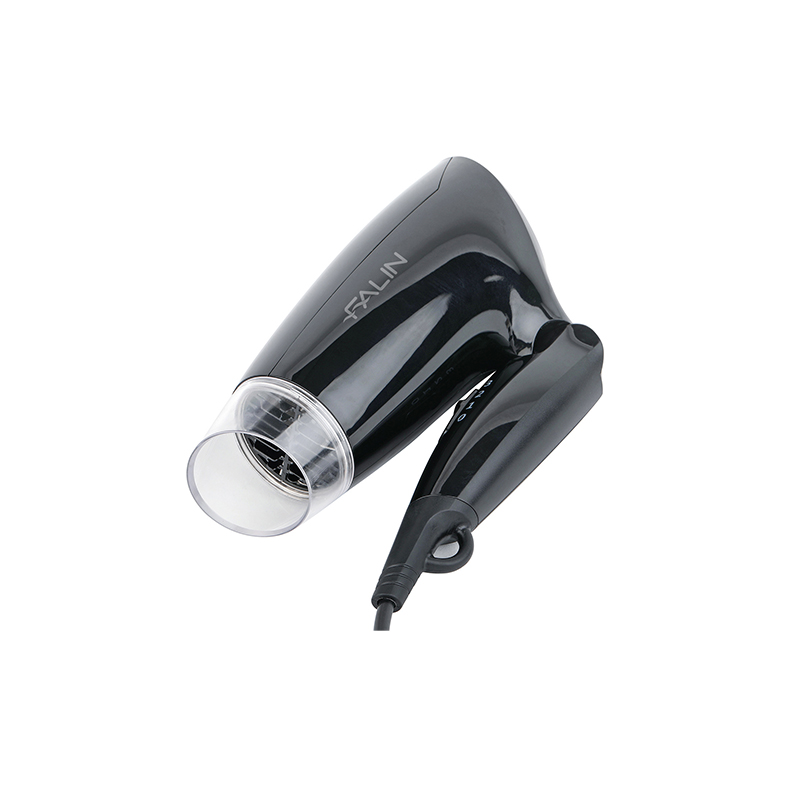
Public restrooms are often judged by their cleanliness, speed, and convenience. Among the many fixtures, hand dryers play a surprisingly significant role in shaping user experience. The Brushless Motor Hand Dryer has emerged as a popular solution, offering faster drying times, lower maintenance, and improved hygiene compared to traditional models. But what makes this technology different, and why are facilities increasingly choosing brushless motor systems?
Traditional hand dryers use brushed motors, where physical contact between the motor brushes and the rotor can create friction, wear, and heat over time. A Brushless Motor Hand Dryer eliminates these components, relying on electronically controlled motors instead.
This design reduces friction and mechanical wear, extending the life of the dryer. Additionally, brushless motors operate more quietly and efficiently, delivering consistent airflow without the typical buzzing or humming associated with older models.
Faster and More Efficient Drying
One of the main benefits of a Brushless Motor Hand Dryer is its high-speed airflow. By generating strong, focused air streams, these dryers remove moisture from hands quickly, often in under 15 seconds.
Faster drying not only improves user satisfaction but also reduces queues in busy restrooms. Facilities with high traffic, such as airports, shopping centers, and office buildings, benefit from the reduced congestion that high-speed hand drying provides.
Energy Savings and Sustainability
Brushless motors are more energy-efficient than traditional brushed motors because they minimize friction and heat loss. This efficiency translates into lower electricity consumption during operation.
Some models also feature automatic sensors that activate the dryer only when hands are detected, further reducing unnecessary energy use. Over time, these savings can be substantial, making a Brushless Motor Hand Dryer an environmentally and economically conscious choice.
Hygiene and User Safety
Hygiene is a key consideration in public restrooms. Many brushless motor hand dryers are designed to minimize contact, with sensors triggering airflow automatically.
The high-speed air stream also dries hands quickly, reducing the time bacteria and moisture remain on the skin. In addition, some models incorporate HEPA filters to remove dust and airborne particles from the airflow, ensuring that users receive clean, filtered air.
Durability and Maintenance
Without brushes to wear out, Brushless Motor Hand Dryers require less maintenance and experience fewer mechanical failures. This translates to lower service costs and longer operational life.
Stainless steel or durable polymer casings further enhance resistance to impact, moisture, and corrosion. For facility managers, this means fewer replacements and less frequent maintenance checks, while maintaining reliable performance day after day.
Design and Versatility
Modern brushless motor hand dryers are available in a variety of designs and sizes to suit different restroom layouts. Compact wall-mounted units, countertop options, and even high-speed jet dryers provide flexibility for installation in small or large spaces.
Additionally, manufacturers are designing dryers with aesthetic appeal in mind, offering sleek finishes that complement contemporary restroom interiors. The combination of performance and design makes these units suitable for both public and private facilities.
The Brushless Motor Hand Dryer represents a thoughtful evolution in restroom technology. By combining fast drying, energy efficiency, reduced maintenance, and improved hygiene, it enhances the user experience while supporting sustainability goals.
Facilities adopting these dryers gain reliable, long-lasting equipment that meets both functional and environmental needs. In busy or high-standard environments, the brushless motor hand dryer is more than a simple convenience—it is a practical investment in comfort, efficiency, and cleanliness.


 Building 19, Block 9, Bihu Wangyang Town, Liandu District, Lishui City, Zhejiang Province, China