

 English
 中文简体
中文简体
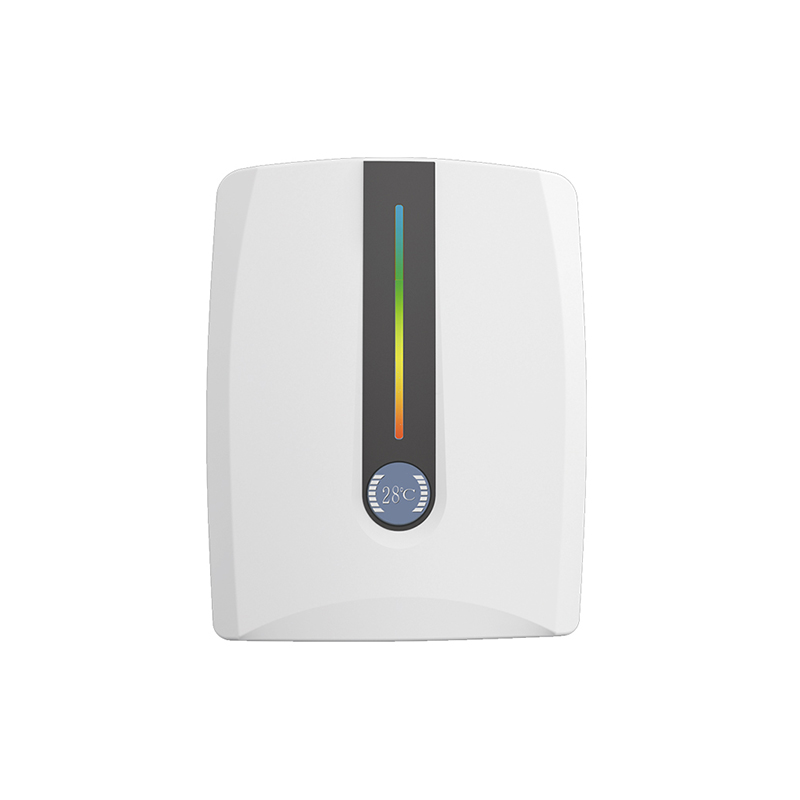
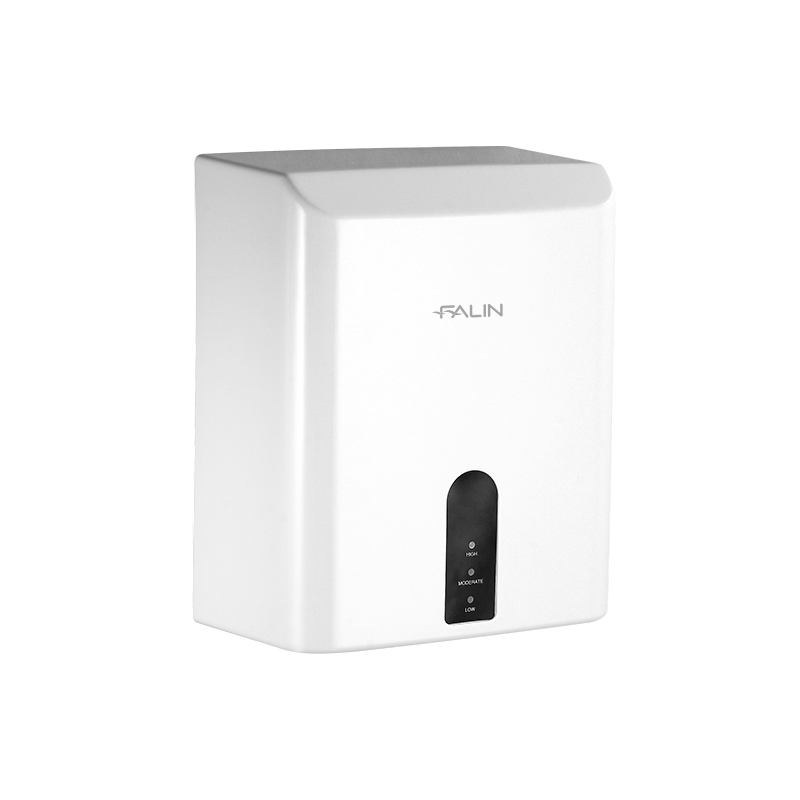
Touchless Dryer Operation Changes the Drying Routine
A Touchless Dryer changes a small but repeated part of restroom use: drying hands without pressing a button or touching the appliance. Motion-sensing operation makes the interaction more direct. Users position their hands near the air outlet, the unit activates, and drying begins without a separate control step.
For commercial facilities, this design is relevant wherever multiple people share the same restroom equipment. Airports, offices, schools, restaurants, gyms, and shopping centers all have different traffic patterns, but users generally expect fixtures to be straightforward to operate. A sensor-controlled dryer can provide a consistent interaction across these environments.
The design also changes how the appliance is evaluated. Instead of considering only its drying function, product developers and facility planners need to account for sensor response, installation position, user approach, and the relationship between the dryer and nearby fixtures.
Sensor Position Influences Everyday Use
The sensor is central to a Touchless Dryer because it determines how the appliance responds when a user approaches. Its position and detection area affect whether users can activate the dryer naturally without searching for a specific hand position.
In a shared restroom, users may have different heights, hand positions, and movement habits. A dryer installed beside a sink may be approached differently from one mounted on a wall near the exit. The placement of the sensing area should therefore be considered alongside the unit’s mounting height and the available space around it.
Sensor operation is also part of the product’s overall control design. The activation process should be easy to understand from the user’s first interaction. For manufacturers, coordinating the sensor with the housing and airflow outlet is a product-development consideration rather than a separate electronic feature.
Installation Layout Connects the Sink and Dryer
A restroom’s layout influences how people move between washing and drying. When a dryer is installed close to the sink, users can move between the two functions with less travel across the room. In facilities with limited wall space, the location and dimensions of the appliance become part of the wider fixture arrangement.
A Touchless Dryer may be wall-mounted in a position that keeps the user’s movement area clear. The mounting surface, available electrical connection, and clearance around the unit all affect installation planning. These details are especially relevant in renovations, where existing plumbing, partitions, mirrors, and electrical points can restrict placement options.
For facility planners, the dryer’s location should also account for the direction users face while operating it and the space needed for their hands. The aim is to integrate the appliance into the restroom layout without obstructing access to sinks, doors, or other fixtures.
Touch-Free Operation and Shared-Space Maintenance
In shared facilities, reducing the number of surfaces users need to touch is one reason touchless appliances are considered. A sensor-operated Touchless Dryer does not require users to press a physical start button during normal activation. This can simplify the interaction in restrooms used by employees, customers, students, or visitors throughout the day.
Touchless operation is only one part of restroom hygiene planning. Cleaning schedules, ventilation, fixture placement, and maintenance procedures remain relevant to the overall environment. The dryer should be considered as one component within that system rather than as a standalone solution to every hygiene concern.
The product category described by Zhejiang Falin Appliances Co., Ltd. includes automatic hand dryers for public and private restroom settings. The company’s product information also discusses hands-free operation and applications in commercial, institutional, and hospitality environments.
Product Configuration Should Match Facility Demand
Different facilities place different demands on restroom equipment. A small office restroom may have intermittent use, while a shopping center or transport facility may experience concentrated periods of activity. These differences can influence the required dryer configuration, installation quantity, and maintenance planning.
When comparing a Touchless Dryer, B2B buyers can review the product’s rated electrical requirements, airflow information, dimensions, mounting arrangement, and operating instructions. These specifications help determine whether a model fits the facility’s installation conditions and expected usage.
The product category page provides general information about hand dryers but does not specify the technical details of every individual model. Buyers selecting a particular unit should use its model-specific documentation for ratings, dimensions, and other installation requirements rather than assuming that all products in the category share identical specifications.
Manufacturing Brings Sensors, Housing, and Airflow Together
A touchless hand dryer combines several functional elements within one appliance. The sensor and control system govern activation, while the housing supports the installed components and directs airflow toward the user’s hands. These elements need to be coordinated within the product’s intended layout.
For manufacturers, this coordination influences product development and assembly. The sensor’s position must correspond with the external design, and the air outlet must remain accessible in the intended installation arrangement. The final configuration also needs to suit the application, whether the dryer is intended for a public facility, commercial building, or private restroom.
As touchless fixtures become part of broader restroom planning, the Touchless Dryer is increasingly understood as both an appliance and an element of the user interface. Its value in a facility depends not only on automatic activation, but also on how naturally the sensor, mounting position, and airflow arrangement fit the space and the people using it


 Building 19, Block 9, Bihu Wangyang Town, Liandu District, Lishui City, Zhejiang Province, China