

 English
 中文简体
中文简体
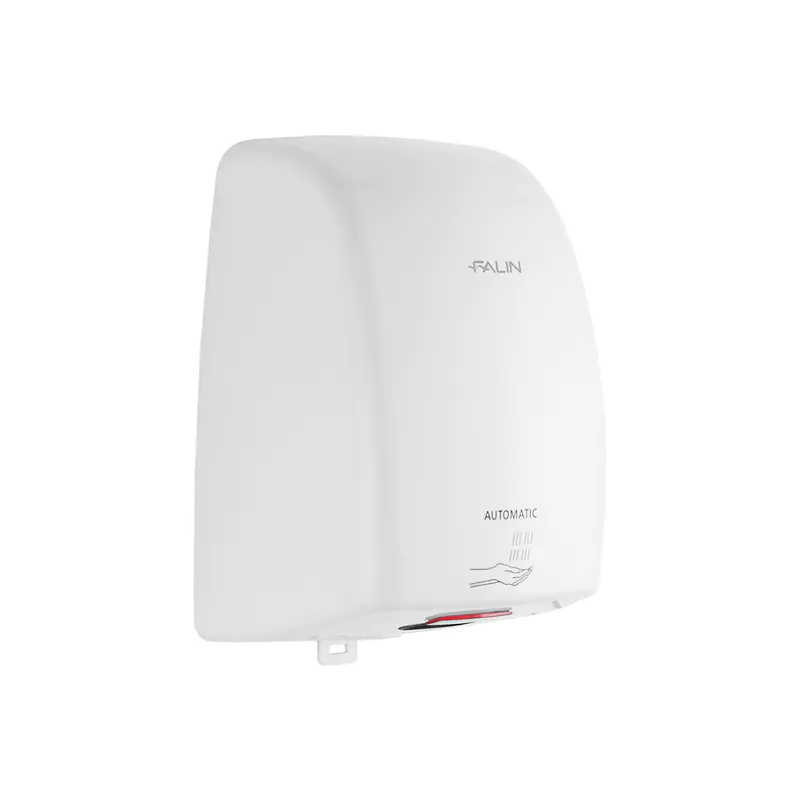
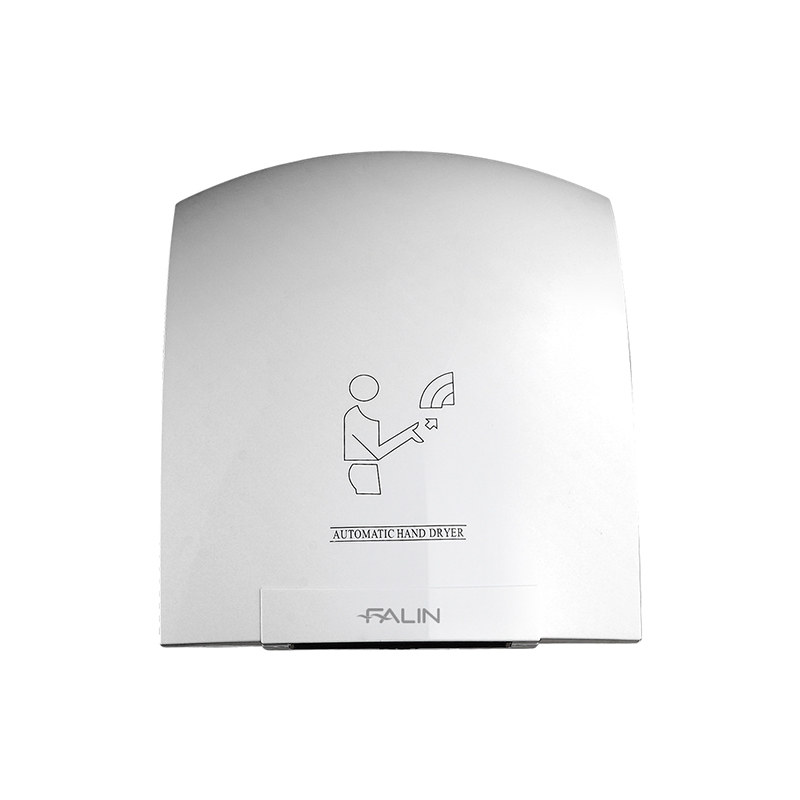
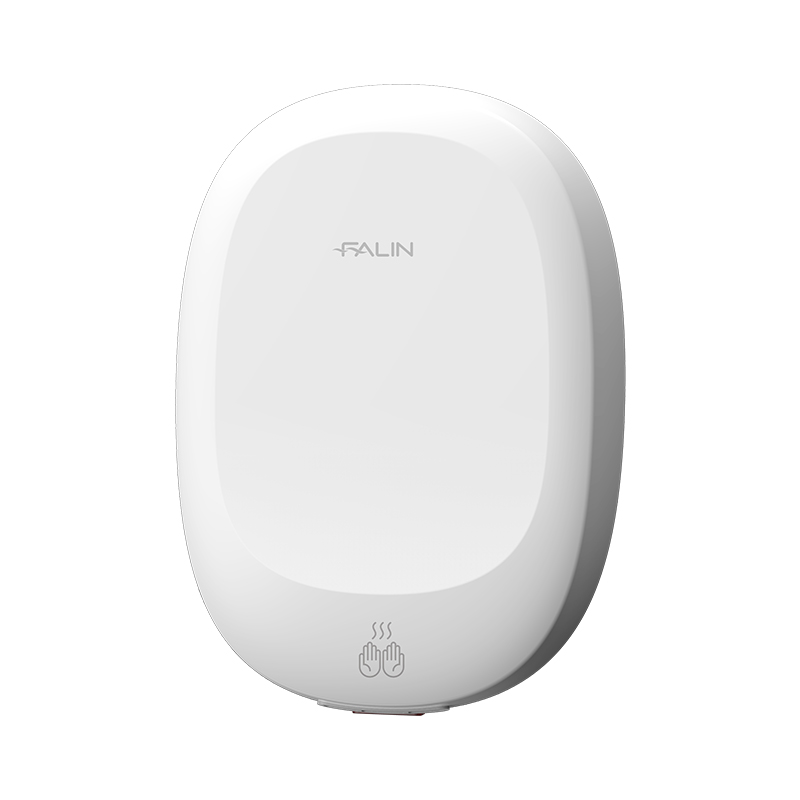
Compact design often raises doubts. Many buyers wonder whether a smaller unit can really deliver the same performance as a full-size model. The evolution of the mini hand dryer shows that size is no longer the limiting factor—it is how the product is engineered that makes the difference.
Compact Design That Works
A mini hand dryer may seem less powerful simply because of its size. In reality, the outer dimensions are reduced without shrinking the core components. By optimizing internal airflow paths, a mini hand dryer can deliver strong and focused air output.
Shorter air channels mean less resistance, allowing airflow to move more efficiently from inlet to outlet. This design helps a mini hand dryer achieve drying performance similar to larger commercial units, while taking up far less space.
Performance Comparison
Here is a practical comparison between traditional models and a mini hand dryer:
|
Feature |
Traditional Dryer |
Mini Hand Dryer |
|
Size |
Large |
Compact |
|
Power |
1500–2000W |
Around 1000W |
|
Drying Time |
25–35 seconds |
15–20 seconds |
|
Energy Use |
Higher |
Lower per use |
A well-designed mini hand dryer balances power and efficiency, making it suitable for both home and light commercial use.
Reliable for Daily Use
Durability is another concern when choosing a mini hand dryer. Smaller size does not mean weaker construction. Modern designs use upgraded materials that can handle higher temperatures and repeated operation.
Instead of increasing size to manage heat, a mini hand dryer relies on better insulation and heat-resistant components. In typical home environments, usage intervals allow natural cooling, which further supports long-term reliability.
Fast and Responsive Sensing
Sensor performance plays a key role in user experience. A mini hand dryer is designed with optimized sensor positioning to provide a quick response. Even with limited space, detection remains accurate and stable.
Because the sensor is closer to the airflow outlet, a mini hand dryer often activates faster, reducing the delay between hand placement and airflow. This creates a smoother and more intuitive experience.
Energy Efficiency Advantage
Energy use is not just about wattage. A mini hand dryer is designed to operate efficiently by combining moderate power with shorter drying time. This reduces overall energy consumption per use.
Standby power is also limited, making the mini hand dryer suitable for continuous installation without noticeable energy waste. Over time, this contributes to lower operating costs.
Easy Installation in Any Space
One of the biggest advantages of a mini hand dryer is installation flexibility. Lightweight construction allows it to be mounted on many walls without special reinforcement.
Whether in a small bathroom, office pantry, or café wash area, a mini hand dryer can fit easily into a limited space. This makes it a practical option for locations where larger units are not suitable.
What to Look For?
When selecting a mini hand dryer, buyers should pay attention to a few key factors:
- Motor performance and airflow strength
- Sensor sensitivity and response time
- Air inlet design and ease of cleaning
For those sourcing in bulk, working with an experienced mini hand dryer factory helps maintain consistent quality, stable supply, and predictable lead times across projects. As a reliable mini hand dryer factory, we also provide detailed technical specifications, verified testing data, and support for certification requirements, making product selection and market entry more straightforward.


 Building 19, Block 9, Bihu Wangyang Town, Liandu District, Lishui City, Zhejiang Province, China