

 English
 中文简体
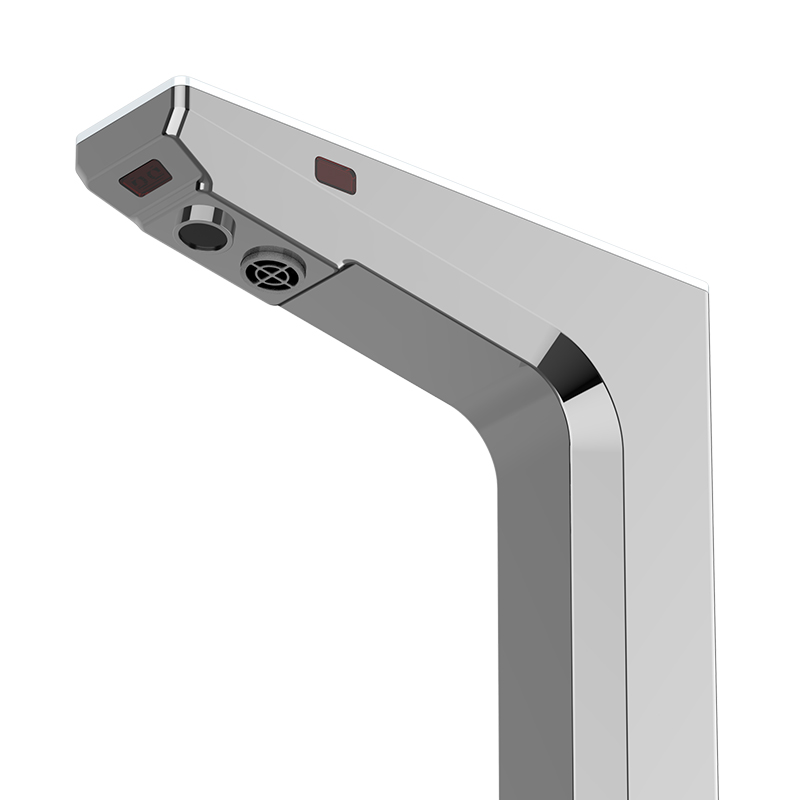
An Air Faucet mixes air into the water stream before it leaves the spout, creating a fuller flow while using a controlled amount of water. In offices, restaurants, hotels, and schools, where basins may be used throughout the day, controlling the flow at each wash station can reduce the volume delivered during repeated handwashing.
Where Washroom Water Goes
Flow rate sets the baseline.
A basin tap uses water in direct proportion to its flow rate and the seconds it stays open. Water-efficiency programs have pushed faucet flow rates down over the years. The WaterSense label in the United States, for example, limits bathroom faucets to 1.5 gallons per minute, while the federal maximum is 2.2 gallons per minute. An Air Faucet with a controlled flow rate can therefore reduce the amount of water delivered during each wash without changing how often people use the basin.
Hand washing is short.
A typical hand wash lasts only a limited time, and much of that period involves wetting the hands and rinsing them. A high-flow stream delivers more water during the same interval, while a controlled aerated stream can provide a sufficiently full feel with less water passing through the outlet.
The user experience still matters. If the stream feels weak, people may open the tap further or keep it running longer. An Air Faucet that produces a steady, well-distributed stream can support lower flow without making the basin feel uncomfortable to use.
How Air Mixing Changes the Stream
Inside the spout, a small aerator draws air into the water as it passes through the outlet. The insert divides the flow into smaller streams, creating bubbles and a softer appearance. The result can look fuller than the actual water volume being delivered.
Air mixing also changes how the water lands in the basin. A softer stream can reduce splashing around the basin edge and countertop. In busy washrooms, less splashing can mean fewer wet surfaces for cleaning staff to wipe during routine cleaning.
Users judge a tap by feel within seconds. An Air Faucet with a soft, even stream is easier to accept than one that produces a weak, uneven, or sputtering flow. For this reason, flow control and stream quality need to work together rather than being treated as separate concerns.
Touchless Operation and Hygiene
No handle to touch
A touchless sensor faucet opens when an infrared sensor detects hands and closes when they leave. Users do not need to touch a handle after using the toilet, removing one shared contact point in a busy washroom. Automatic shutoff also prevents water from continuing to run after the user moves away.
Sensor settings matter
The sensing range needs to match the basin and installation position. If the range is too long, the tap may open when someone leans over the counter. If it is too short, users may need to move their hands repeatedly before the water starts.
Installers usually test the sensor at the actual basin before completing the installation. Power can come from batteries or a mains adapter, and the choice affects how often maintenance staff need to check or replace the power source.
Single Hole Mounting on the Counter
A single-hole bathroom faucet fits a basin or countertop with one drilled opening, which suits many modern vanity tops and leaves the surrounding counter relatively clear. Three points deserve a check before ordering: the diameter of the mounting hole, the thickness of the counter, and the length of the supply hoses.
A thick stone countertop may require a longer mounting shank, while a short hose can make the connection below the basin difficult. Checking these dimensions before installation takes only a few minutes and can prevent fitting problems later.
Scale Build-up and Routine Care
Aerator screens can collect fine particles and mineral scale, especially in areas with hard water. As deposits build up, the stream may become uneven, spray sideways, or lose flow.
Removing the insert, soaking it in a suitable mild descaling solution, rinsing it, and reinstalling it can restore the water pattern. Every Air Faucet in a high-traffic washroom benefits from periodic inspection, while supply-line filtration can help reduce the amount of debris reaching the aerator.
Sensor windows can also collect soap film and water spots. Wiping them with a soft cloth during normal cleaning helps maintain reliable detection.
Reading the Water Meter After Installation
The water-saving effect of an Air Faucet can be checked through actual building consumption rather than appearance alone. Facilities managers can compare water use before and after a faucet replacement and then review whether user complaints or cleaning observations have changed.
A reduction in water volume without a rise in complaints suggests that the new flow remains acceptable to users. If complaints increase, the cause may be an obstructed aerator, an unsuitable flow setting, or an incorrectly positioned sensor rather than the use of aeration itself.
Over time, an Air Faucet with controlled flow can reduce the amount of water delivered at each basin, while touchless operation adds a separate convenience and hygiene benefit. In buildings with dozens of wash stations, combining appropriate flow control, aerated water delivery, and reliable sensor operation can make the effect visible in both water consumption and everyday washroom use.


 Building 19, Block 9, Bihu Wangyang Town, Liandu District, Lishui City, Zhejiang Province, China
