

 English
 中文简体
中文简体
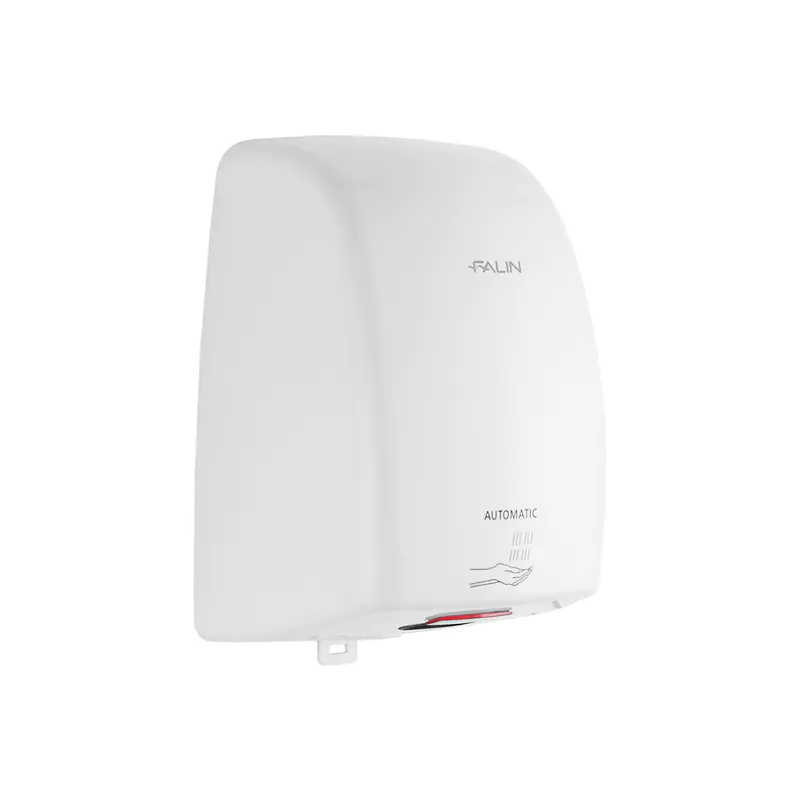
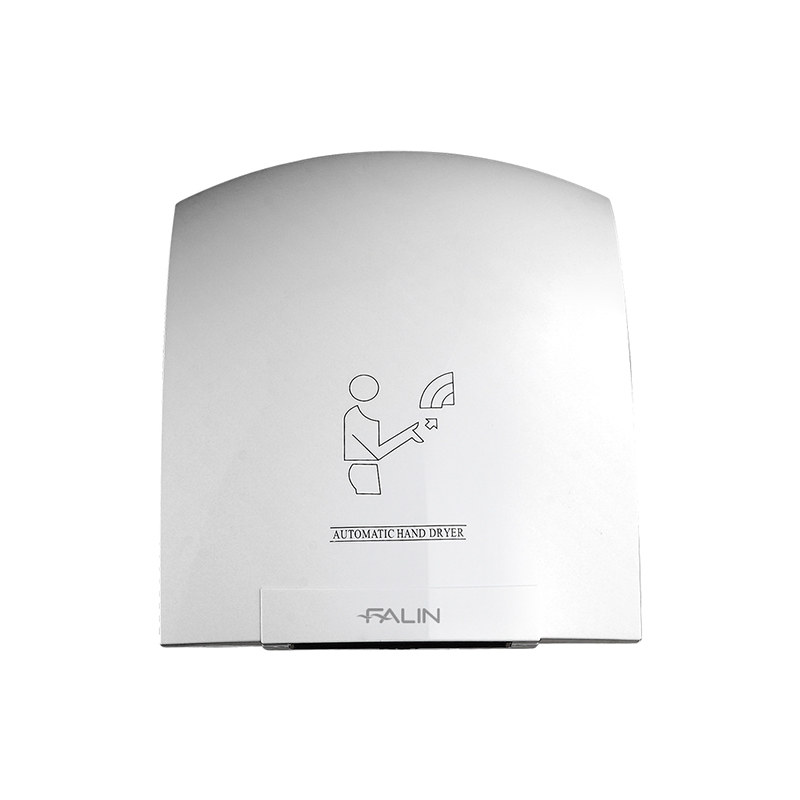
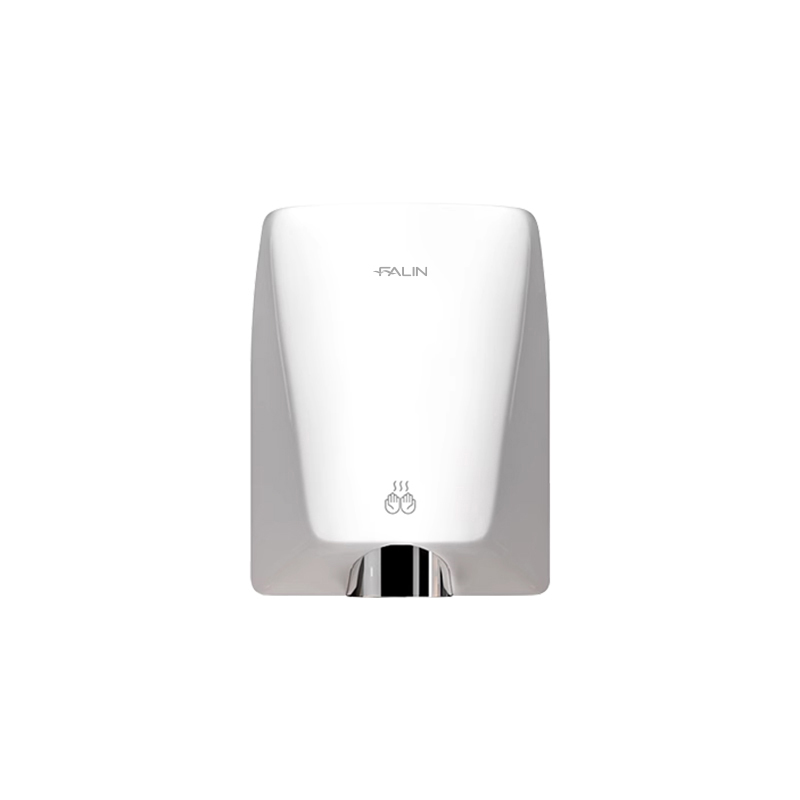
A hand dryer IPX1 is usually evaluated long after installation, not during the first commissioning day. In many public facilities, the real difference in performance only becomes visible when usage frequency increases over time. Engineers rarely judge the unit from a single activation test; instead, they observe how it responds during repeated daily cycles.
In shared washrooms, another phrase often appears in facility notes: bathroom air drying unit, especially when multiple devices are installed in high-traffic buildings with continuous user flow.
Frequent Activation Changes Perception Of Response
During quiet periods, the device operates without interruption.
A single user approaches.
Sensor activates.
Air starts.
Cycle completes.
But in busy environments, this pattern changes quickly.
Users arrive in groups.
Activation overlaps become more common.
Short intervals replace long idle gaps.
Technicians reviewing logs often note that the hand dryer IPX1 feels “more active” in these conditions, even though its internal mechanism remains unchanged.
Sensor Timing Becomes More Noticeable
Under low usage, sensor delay is rarely discussed.
Under frequent use, timing differences become easier to observe.
Some activations feel immediate.
Others require a slight hand adjustment.
Occasionally, users move closer before triggering response.
These small differences are often written in shift notes as part of bathroom air drying unit behavior records rather than formal technical issues.
Continuous Use Reveals Heat and Airflow Patterns
When activation frequency increases, airflow consistency becomes easier to evaluate.
Warm air output feels steady at first.
After repeated cycles, temperature perception changes slightly depending on surrounding airflow.
Wall proximity.
Room ventilation.
User spacing.
All of these contribute to how the hand dryer IPX1 feels during continuous operation rather than isolated testing.
Technicians sometimes stand near the unit for several cycles in a row instead of performing a single test.
User Flow Shapes Device Interaction
Washroom usage is rarely uniform.
Morning hours show light flow.
Midday brings concentrated activity.
Evening patterns vary by facility type.
In commercial centers, usage clusters appear near closing time.
Each cluster creates a different interaction rhythm with the bathroom air drying unit, especially when multiple users activate devices in close succession.
Installation Density Affects Perceived Load
Some facilities install multiple units in one restroom.
Others install only one per area.
In high-density installations, overlapping usage becomes normal.
Users wait briefly.
Step aside.
Another activation begins immediately.
This creates a continuous cycle that is often recorded in facility observation notes related to hand dryer IPX1 performance under shared conditions.
Small Behavioral Changes Are Recorded Informally
Maintenance documentation rarely contains detailed explanations.
Instead, technicians write short observations.
frequent activation observed during peak hours
sensor response consistent under repeated use
airflow remains stable after multiple cycles
no abnormal interruption during busy period
These notes are repeated across different days and shifts, forming a usage pattern for the bathroom air drying unit rather than describing individual events.
Cleaning Cycles Interact With Usage Frequency
Cleaning staff often operate during low usage hours.
After cleaning, surfaces may remain slightly damp.
When user activity resumes, activation frequency increases quickly.
Technicians sometimes observe that the hand dryer IPX1 enters repeated cycles shortly after cleaning completion, creating a short period of intensified usage that does not appear in standard schedules.
Long-Term Observation Replaces Single Testing
A single activation test does not show how the device behaves in real conditions.
Repeated daily use provides more meaningful reference.
Short cycles.
Clustered usage.
Idle gaps.
Continuous activation periods.
All of these patterns gradually define how the bathroom air drying unit performs in actual facility environments.
Technicians reviewing multiple weeks of logs often focus less on individual readings and more on repeated behavior under different occupancy conditions of the hand dryer IPX1, especially during peak facility hours when usage becomes unpredictable but concentrated.


 Building 19, Block 9, Bihu Wangyang Town, Liandu District, Lishui City, Zhejiang Province, China