

 English
 中文简体
中文简体
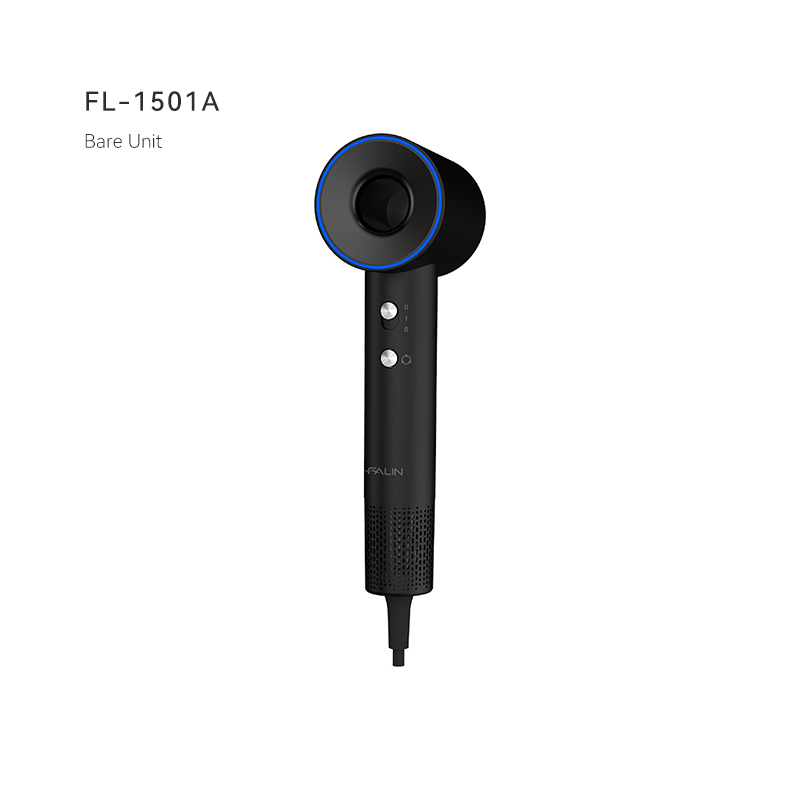
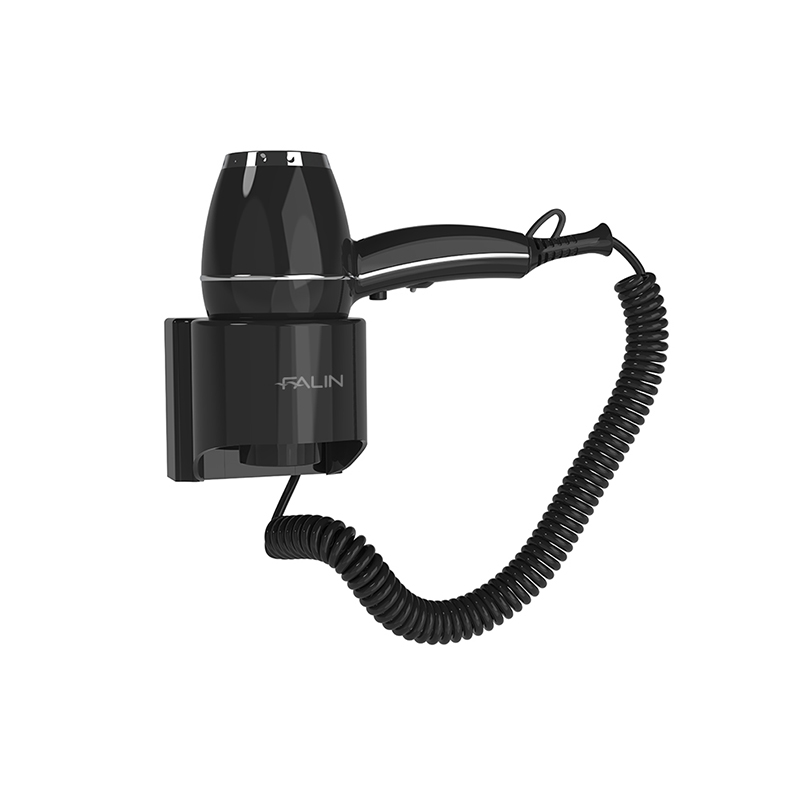
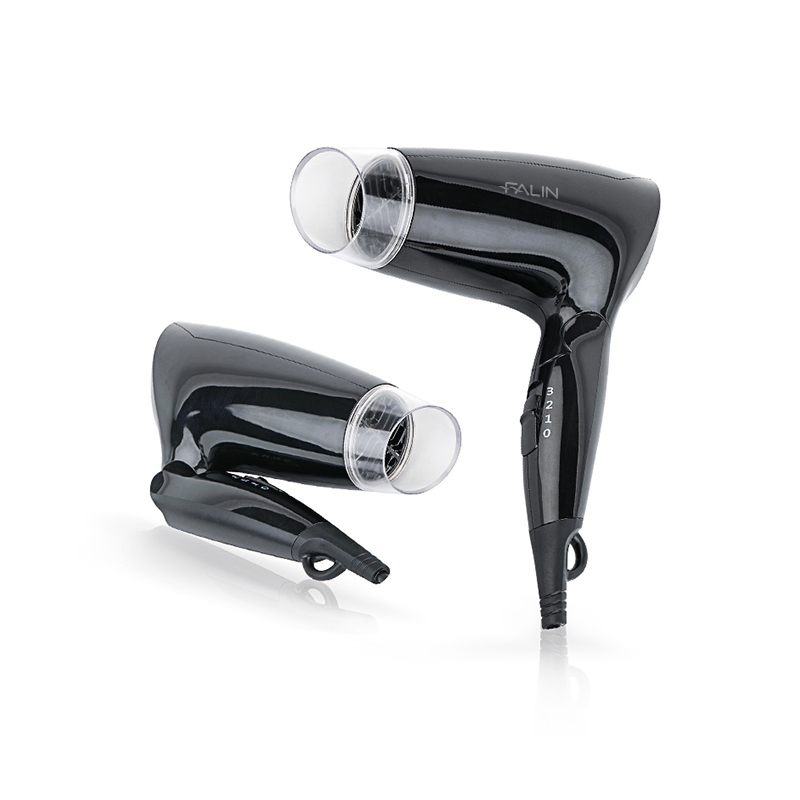
Procurement managers across the hospitality sector are rethinking bathroom fixtures as guest reviews increasingly mention overnight noise levels. A low noise hair dryer has moved from a minor spec sheet detail to a central criterion during renovation planning, particularly for properties competing on comfort scores rather than price alone. Buyers sourcing in bulk now request decibel ratings before finalizing any purchase order, treating sound output the same way they once treated wattage.
Noise Standards in Hospitality Procurement
Hotel groups operating across multiple regions face different acoustic expectations depending on local guest demographics. A property in a quiet resort district often prioritizes a low noise hair dryer far more than a business hotel near an airport, where ambient sound already masks appliance noise. Purchasing teams increasingly ask suppliers for third-party decibel testing rather than relying on marketing claims, since self-reported figures vary widely between factories. Some chains have started writing maximum decibel thresholds directly into their supplier contracts, turning what used to be a soft preference into a hard specification.
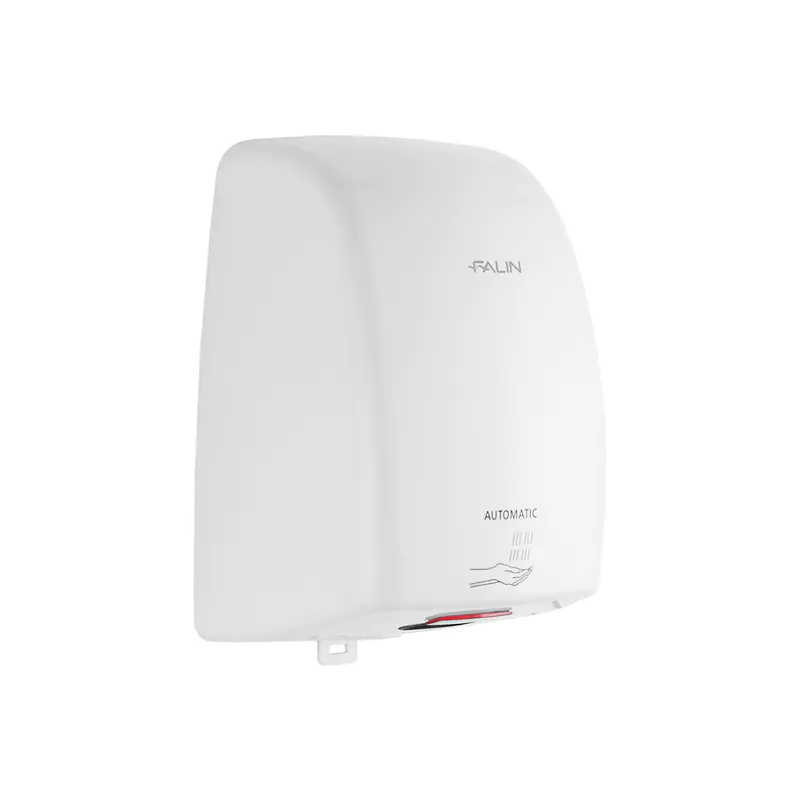
Wall mounted hair dryer units present a particular challenge here. Because they sit fixed near tile and mirrors, vibration can travel through the mounting bracket and amplify perceived noise beyond what the motor alone produces. Engineers addressing this issue have shifted toward rubberized mounting plates and reinforced brackets that dampen resonance, which lowers complaint rates even when the motor specification stays unchanged.
Motor Technology Behind Quiet Performance
Traditional brushed motors generate friction noise that rises sharply once airflow speed increases, which is why a genuinely quiet low noise hair dryer almost always relies on a brushless motor design instead. Brushless motors reduce mechanical contact points, cutting down both the whine associated with older units and the wear that eventually makes noise worse over years of daily hotel use. Factories producing for export markets have adopted this shift steadily since housekeeping teams report fewer replacement requests tied to noise complaints when brushless models are installed.
Airflow duct shape also plays a role rarely discussed outside engineering circles. A narrower nozzle increases exit velocity and can create a higher pitched sound that guests notice even when total decibel output stays low. Manufacturers adjusting duct geometry alongside motor selection have found that perceived quietness sometimes matters more to guest satisfaction scores than the raw decibel number printed on a spec sheet.
Installation and Guest Experience
Placement decisions affect how a low noise hair dryer performs in practice. Units installed near tiled walls or enclosed shower areas can experience sound reflection that makes an otherwise quiet appliance seem louder than tested. Interior design teams working alongside procurement have started factoring bathroom acoustics into fixture placement, moving hair dryer stations away from hard reflective corners where possible.
Guest room amenities packages increasingly bundle noise performance with other comfort metrics such as water pressure and lighting warmth, treating the bathroom as a single sensory experience rather than a collection of separate fixtures. Hotels updating amenity standards often request that a low noise hair dryer carry a specific certification mark buyers can reference during audits, which speeds up procurement across large portfolios with dozens of properties.
Sourcing Considerations for Bulk Orders
Factories supplying international chains report that lead times shift depending on how many custom certifications a buyer requests alongside a low noise hair dryer order. Standard decibel testing rarely delays production, but region specific electrical certifications can add weeks if not planned early in the sourcing calendar. Buyers working with experienced hotel hair dryer suppliers tend to build certification lead time into contracts from the outset rather than treating it as an afterthought.
Warranty terms have also shifted as noise complaints became a tracked metric. Some suppliers now offer extended coverage specifically tied to motor failure, since brushless components used in a low noise hair dryer carry a longer expected service life than older brushed alternatives. Procurement teams comparing quotes increasingly weigh this warranty structure alongside unit price, recognizing that replacement costs across hundreds of rooms outweigh small per unit savings.
As guest expectations around bathroom noise continue rising, hospitality buyers are treating acoustic performance as a permanent line item in fixture specifications rather than a temporary trend tied to recent renovation cycles.


 Building 19, Block 9, Bihu Wangyang Town, Liandu District, Lishui City, Zhejiang Province, China