

 English
 中文简体


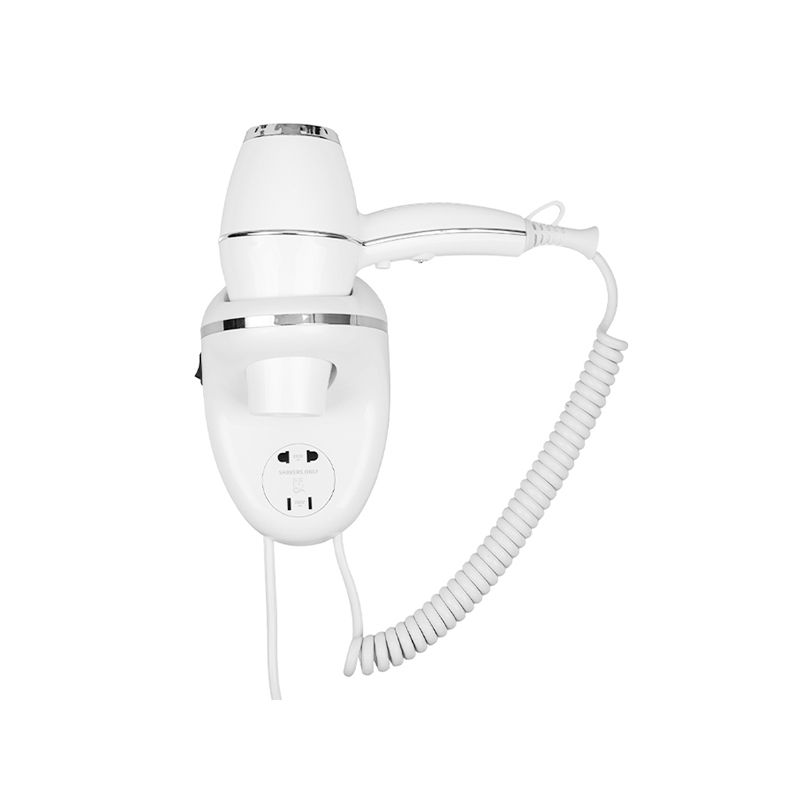
Frizz is not determined by temperature alone. The way air moves through wet hair, how heat is distributed and how moisture is removed all influence the final drying result. These factors have become important considerations in the development of modern hair care appliances. A Frizz Defense Hair Dryer combines airflow and heat management with technologies intended to reduce static and improve hair smoothness. For manufacturers, developing this product category involves balancing drying performance with controlled heat delivery.
Zhejiang Falin Appliances Co., Ltd. manufactures hair dryers and other small household appliances in China. Its hair dryer range includes different configurations for household and hospitality applications. The development of frizz-control functions is part of a broader shift toward appliances that address specific drying and styling requirements rather than focusing exclusively on motor power.
How Airflow Influences Frizz Control
When wet hair is exposed to moving air, moisture gradually evaporates from the hair surface. Airflow strength, direction and temperature affect the drying process. However, higher airflow or higher heat does not automatically produce a smoother finish.
Uneven heat distribution can leave some sections of hair exposed to more thermal energy than others. Excessive heat exposure may also contribute to dryness and surface damage. For this reason, manufacturers consider airflow and temperature as related performance factors.
A Frizz Defense Hair Dryer is developed around the objective of managing these factors together. The airflow needs to support effective moisture removal, while the heating system should provide an appropriate temperature range for the intended application. The relationship between these functions is an important consideration in product development.
Negative Ion Technology and Static Reduction
Negative ion technology is commonly associated with hair dryers marketed for frizz control. During drying, friction and changes in hair moisture can contribute to static electricity, making individual strands more likely to repel one another.
Ionic technology introduces negatively charged ions into the airflow. This technology is intended to help reduce static buildup and improve the appearance of hair after drying. Its performance depends on the appliance's actual ion-generation system and operating conditions.
A Frizz Defense Hair Dryer may combine ionic functions with adjustable airflow and temperature settings. These features address different aspects of the drying process: ionic technology targets static, while airflow and heat settings determine how moisture is removed.
For manufacturers, these functions should be considered as part of an integrated appliance configuration rather than isolated marketing features.
Comparing the Main Hair Dryer Functions
Different technologies serve different purposes within a hair dryer. Understanding their roles helps product developers and B2B buyers distinguish between appliance configurations.
|
Technology or function |
Main role |
Relevance to frizz control |
|
Negative ion generation |
Introduces ions into the airflow |
Helps address static buildup |
|
Temperature control |
Regulates heat output |
Helps manage thermal exposure |
|
Airflow adjustment |
Changes air delivery strength |
Supports different drying requirements |
|
Concentrator attachment |
Directs airflow toward selected sections |
Supports more controlled styling |
|
Cool air function |
Provides airflow without active heating |
Useful during the finishing stage |
These functions are not interchangeable. A concentrator, for example, changes airflow direction rather than generating ions. Temperature adjustment manages heat output but does not independently eliminate static. A Frizz Defense Hair Dryer therefore needs to be evaluated through its combined functional configuration.
Product Development and Manufacturing Considerations
Turning frizz-control requirements into a finished appliance involves several manufacturing considerations. Motor performance, heating components, internal airflow passages, electrical controls and housing construction all contribute to the overall product configuration.
Motor selection affects the airflow characteristics and operating performance of the appliance. Heating components determine how air is warmed before leaving the outlet. The internal structure must also accommodate the arrangement of these components while maintaining appropriate electrical and thermal protection.
Quality inspection is another important part of manufacturing. Functional checks can cover motor operation, heating performance, control settings and electrical safety. These checks help manufacturers assess whether assembled products operate according to their intended specifications.
For a Frizz Defense Hair Dryer, the combination of airflow, heating and ionic functions creates several areas for product evaluation. Manufacturers need to consider how these elements work together rather than treating each feature as an independent specification.
Falin's Hair Dryer Manufacturing Background
Zhejiang Falin Appliances Co., Ltd. was established in 1999 and has focused on the research and development of hair dryers and hand dryers for more than 20 years. The company operates a production base covering approximately 13,000 square meters and has more than 100 employees.
Its product categories include household hair dryers, hotel hair dryers, brushless hair dryers, household hand dryers and commercial hand dryers. The company also provides OEM and ODM services for overseas business customers.
Falin holds international certifications including CE, CB and ISO9001, supporting its work in manufacturing electrical appliances for different markets.
As the hair dryer market continues to develop, functions related to airflow management, temperature regulation and ionic technology remain relevant to product differentiation. The Frizz Defense Hair Dryer represents one application of this development direction, bringing several drying-related functions together in an appliance category serving household and professional markets.


 Building 19, Block 9, Bihu Wangyang Town, Liandu District, Lishui City, Zhejiang Province, China
