

 English
 中文简体
中文简体
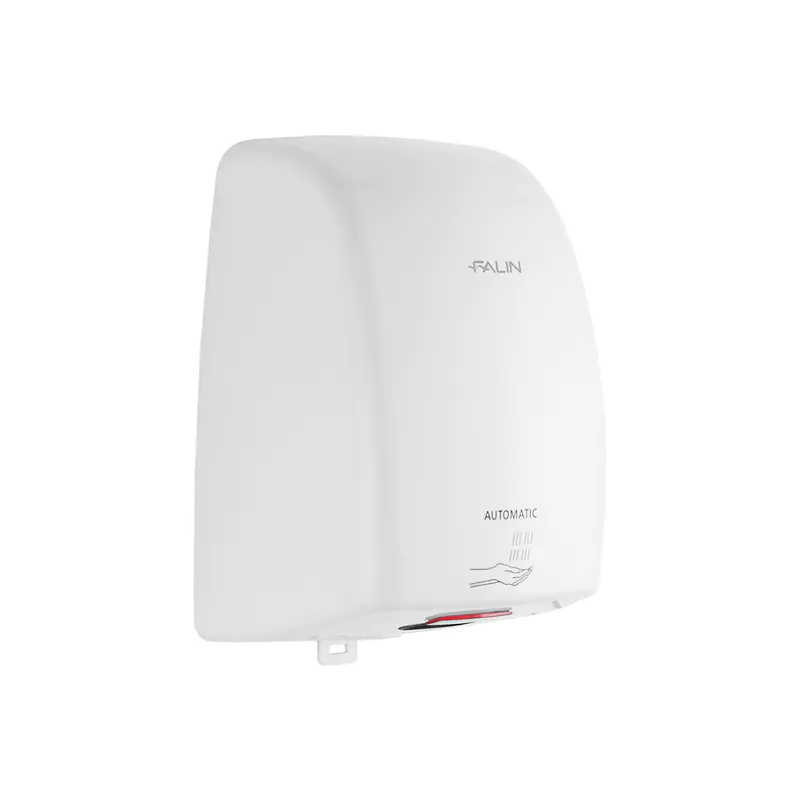
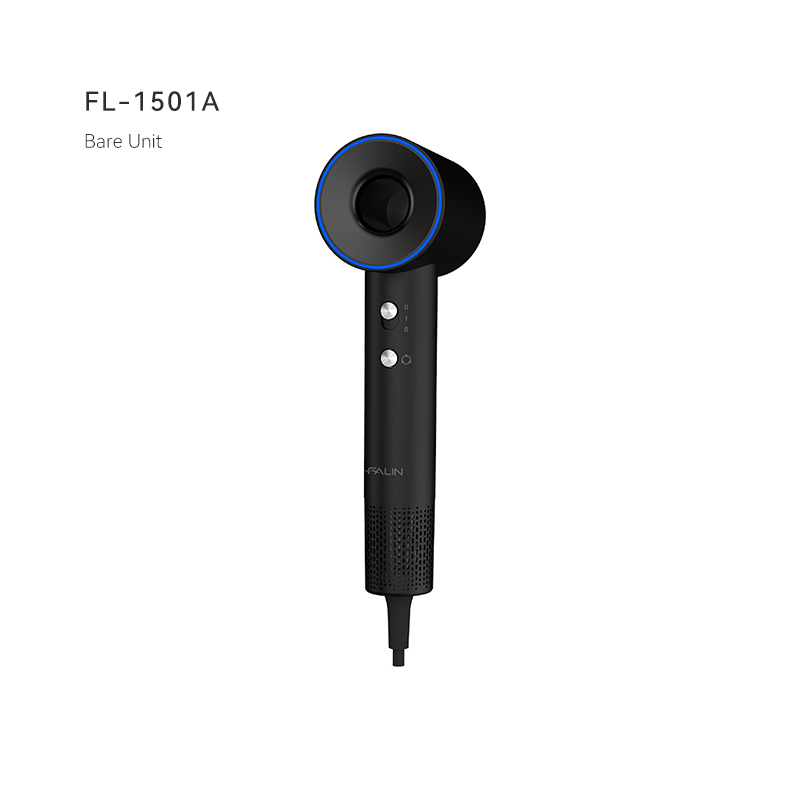
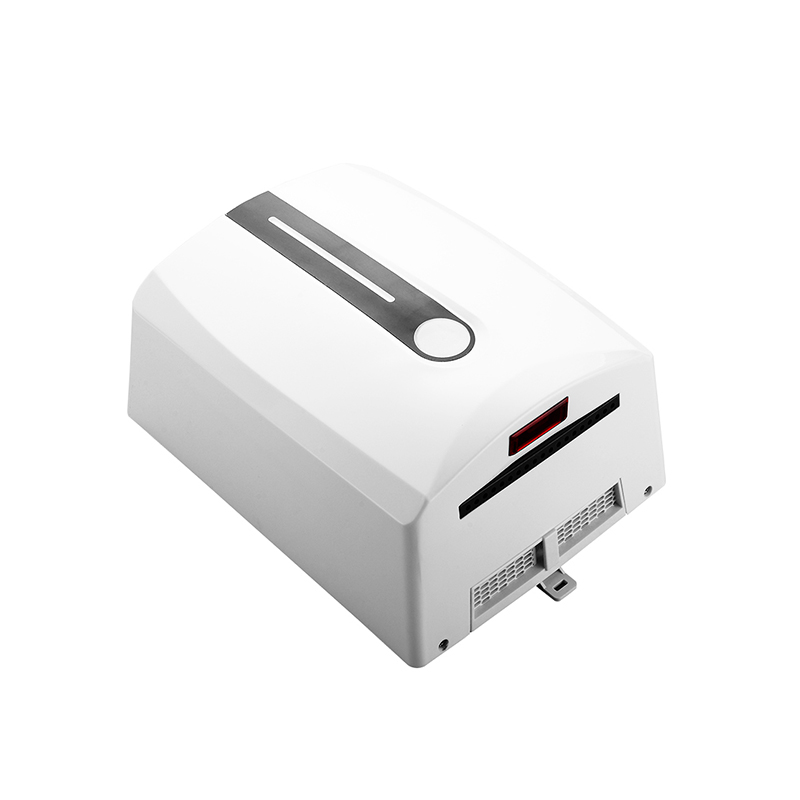
High speed hand dryers have become a common feature in public restrooms, offices, restaurants, and airports due to their convenience and efficiency. Behind these devices, a High Speed Hand Dryer Factory plays a crucial role in designing, manufacturing, and testing units that meet performance, safety, and durability standards. Understanding the operations and considerations of such a factory helps businesses and facility managers make informed sourcing decisions.
A high speed hand dryer is an electric device designed to dry hands quickly, usually within 10 to 20 seconds. Modern designs incorporate high-velocity air jets, energy-efficient motors, and hygienic features such as touchless operation. A High Speed Hand Dryer Factory ensures that each unit delivers consistent airflow, reliable heating, and long-term durability.
These dryers are not only about speed but also about user experience, safety, and maintenance efficiency. The right design can reduce paper towel waste and lower operational costs in high-traffic areas.
Materials and Manufacturing
The quality of a high speed hand dryer depends on both the materials used and the assembly process. A High Speed Hand Dryer Factory typically selects durable materials like ABS plastics, stainless steel, or aluminum for the outer casing. Internal components such as motors, heating elements, and air channels are designed to withstand continuous use.
The manufacturing process often involves precision assembly, electrical testing, and surface finishing. Some factories use automated production lines for key components, while manual assembly ensures careful handling of sensitive parts. This balance helps maintain product consistency without sacrificing build quality.
Safety and Compliance
Safety is a primary concern for high speed hand dryers. A professional High Speed Hand Dryer Factory ensures that each unit complies with relevant electrical and safety standards, including overheat protection, electrical insulation, and motor safety mechanisms. Units are also tested for durability and performance under continuous operation.
Hygiene features, such as HEPA filters or touchless sensors, are commonly integrated to reduce the risk of contamination and enhance user confidence.
Customization Options
Many clients require customized solutions. A High Speed Hand Dryer Factory may offer options in color, casing design, airflow speed, and sensor sensitivity. Some factories also allow branding on the casing for commercial clients or hotels.
Customization extends to technical aspects, such as voltage compatibility for different countries or energy-efficient models designed for areas with high usage. Flexible manufacturing capabilities enable factories to serve a wide range of commercial and institutional clients.
Applications Across Various Settings
High speed hand dryers produced by a High Speed Hand Dryer Factory are widely used in airports, shopping malls, schools, offices, and restaurants. They provide a hygienic and convenient method for drying hands, reducing the need for paper towels and simplifying maintenance for staff. In high-traffic areas, reliability and speed are key, and factory-tested units help ensure consistent performance.
Maintenance and Longevity
Regular maintenance of high speed hand dryers is straightforward. Factories provide guidance on cleaning air filters, inspecting motors, and checking electrical connections. A well-designed unit requires minimal intervention, which is important for busy commercial spaces.
Long-term reliability is ensured through proper component selection, robust assembly, and factory testing, all of which are standard practices in a professional High Speed Hand Dryer Factory.
A High Speed Hand Dryer Factory plays a crucial role in producing units that are efficient, safe, and reliable. By focusing on design, materials, safety standards, and customization, these factories deliver products suitable for a wide range of environments. Understanding the capabilities of such manufacturers helps businesses and facility managers choose dryers that meet both operational needs and user expectations.


 Building 19, Block 9, Bihu Wangyang Town, Liandu District, Lishui City, Zhejiang Province, China