

 English
 中文简体
中文简体
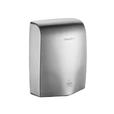
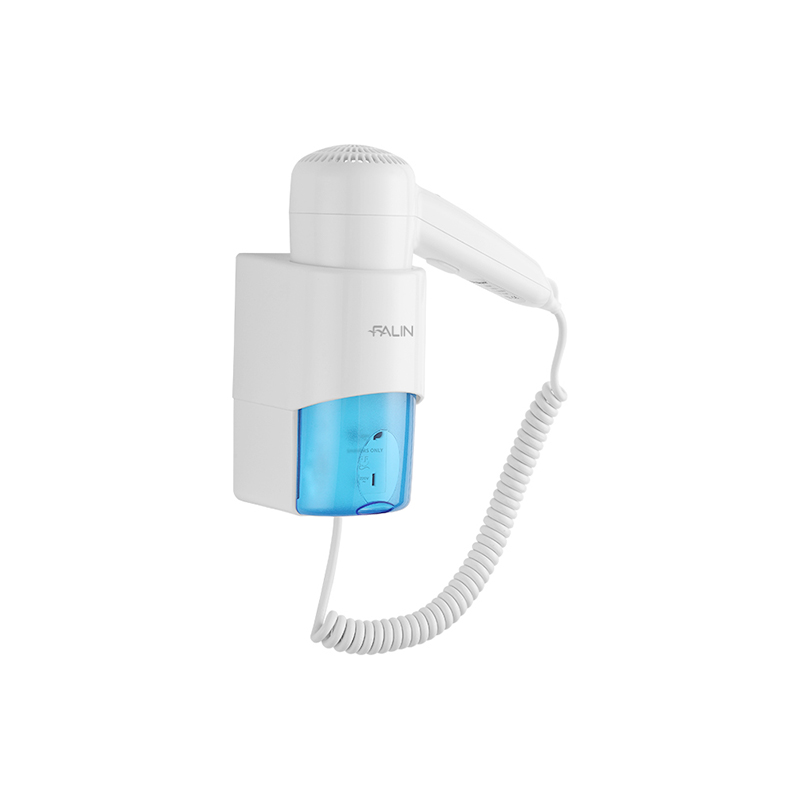
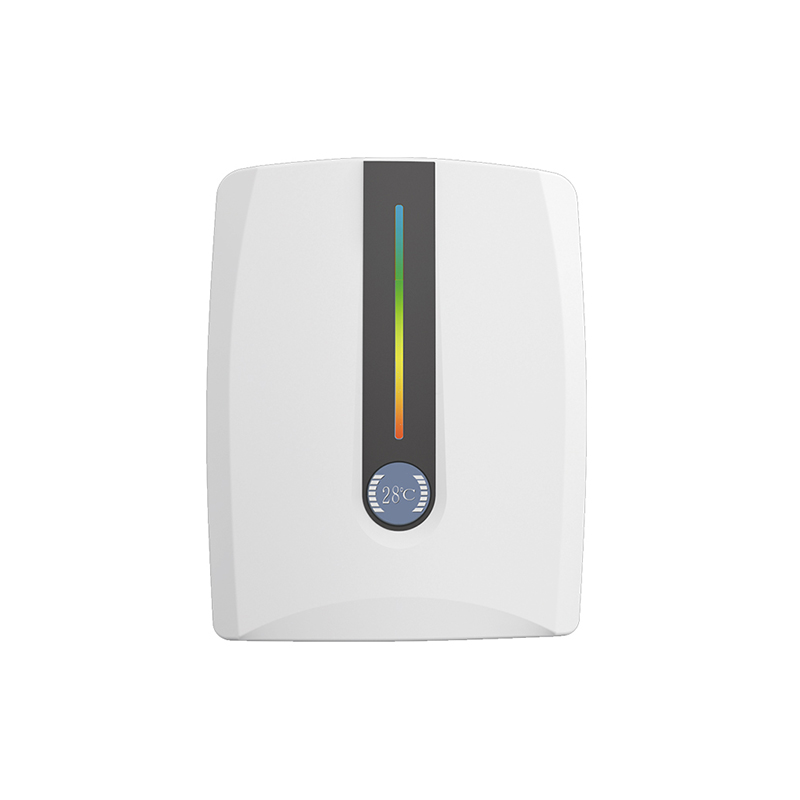
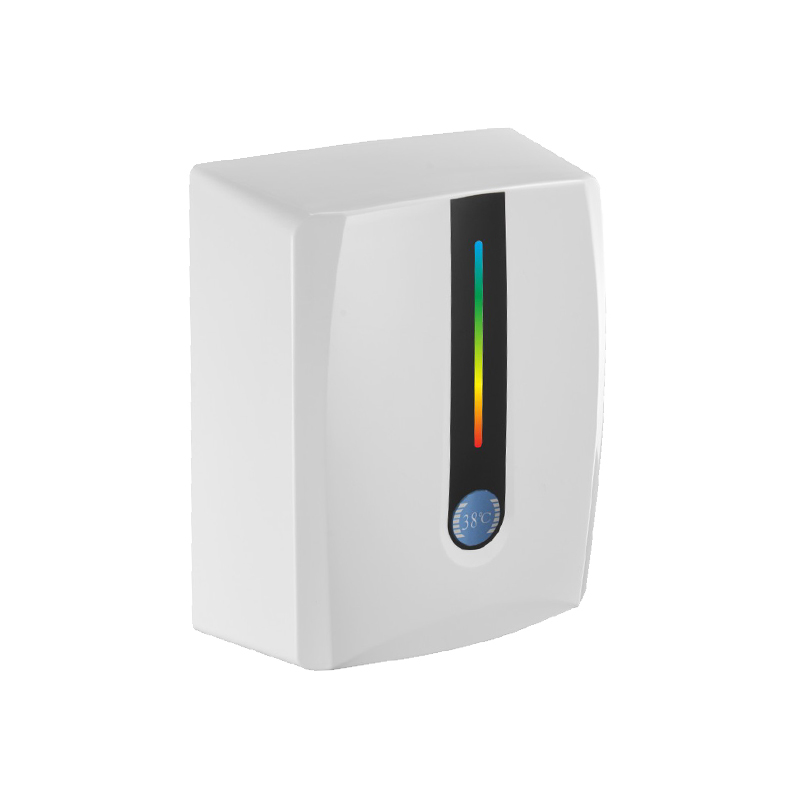
A high speed hand dryer is usually noticed in places where people do not stay for long. Airports, office towers, hotels, and transport hubs often install them not because they are visually different, but because restroom traffic moves in clear cycles throughout the day.
In many facilities, another term appears in maintenance notes: commercial hand dryer system, especially when multiple units are installed in a shared public washroom environment.
Air Movement Becomes Part Of User Flow
Users rarely think about the machine before approaching it.
They finish washing hands.
Step forward.
Place hands under the nozzle.
Then adjust position slightly.
The airflow from a high speed hand dryer does not require repeated rubbing or shaking, so movement inside the drying area is minimal but continuous.
In busy restrooms, this small change in behavior affects how quickly the next person can use the same space.
Heat Is Present But Not Dominant
Inside older units, heat is often the main drying source.
In this system, heat exists, but it is not the central factor.
It is felt lightly during use.
Warm air mixes with high-speed airflow.
Users rarely describe temperature directly; instead they mention sensation on skin.
During internal service checks, technicians often describe the commercial hand dryer system as being “air-driven first, temperature-assisted second,” based on field observation rather than specification sheets.
User Position Changes During Drying
People do not keep their hands still.
Hands move closer.
Then slightly away.
Then rotate.
This movement is not planned.
It happens naturally while waiting for drying to complete.
With a high speed hand dryer, this motion becomes shorter because drying time is reduced, and users exit faster than with older equipment.
Restroom Congestion Is Often Invisible
Queue formation does not always happen in lines.
It appears in timing gaps.
One user finishes.
Another steps in immediately.
Sometimes two people overlap at adjacent units.
Facility staff often observe that installation of a commercial hand dryer system reduces waiting time rather than changing physical space layout.
Sound Level Becomes Part Of Environment
High-speed airflow produces a consistent sound.
Not loud enough to dominate the room.
Not silent either.
In large buildings, this sound becomes part of background rhythm, similar to water running or door closing.
Over time, users stop noticing it completely, but maintenance staff still include it in routine observation of the high speed hand dryer.
Sensor Activation Shapes Movement Timing
Users learn the activation zone without instructions.
Hands move into position.
Air starts immediately.
Small adjustment follows.
This interaction pattern is repeated across different users without variation.
Facility logs sometimes note that the commercial hand dryer system reduces hesitation time compared to manual or button-based drying devices.
Installation Density Influences Flow
Single-unit restrooms behave differently from multi-unit layouts.
One device creates short waiting moments.
Multiple devices distribute users evenly.
In high-traffic buildings, placement spacing becomes part of design planning rather than equipment selection alone.
During usage observation, technicians often watch how people move between adjacent high speed hand dryer units instead of focusing only on performance data.
Daily Use Forms A Repeating Pattern
Morning rush.
Midday pause.
Evening return flow.
Each period shows similar interaction steps, but different density.
These repeating patterns are often recorded informally in facility notes related to commercial hand dryer system behavior across public buildings, where restroom usage is treated as part of overall pedestrian movement rather than an isolated activity.


 Building 19, Block 9, Bihu Wangyang Town, Liandu District, Lishui City, Zhejiang Province, China