

 English
 中文简体
中文简体
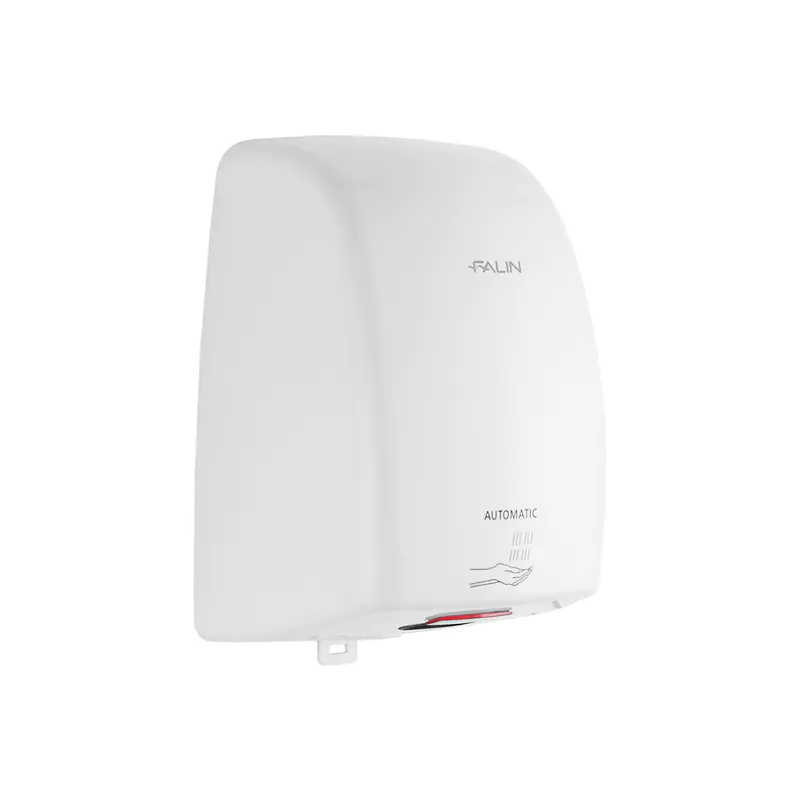
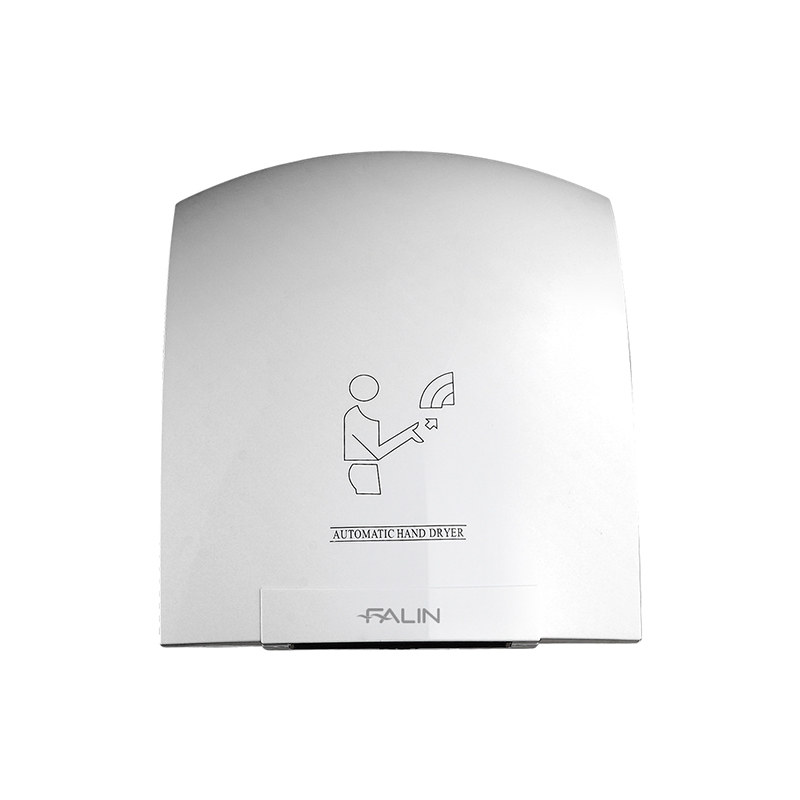
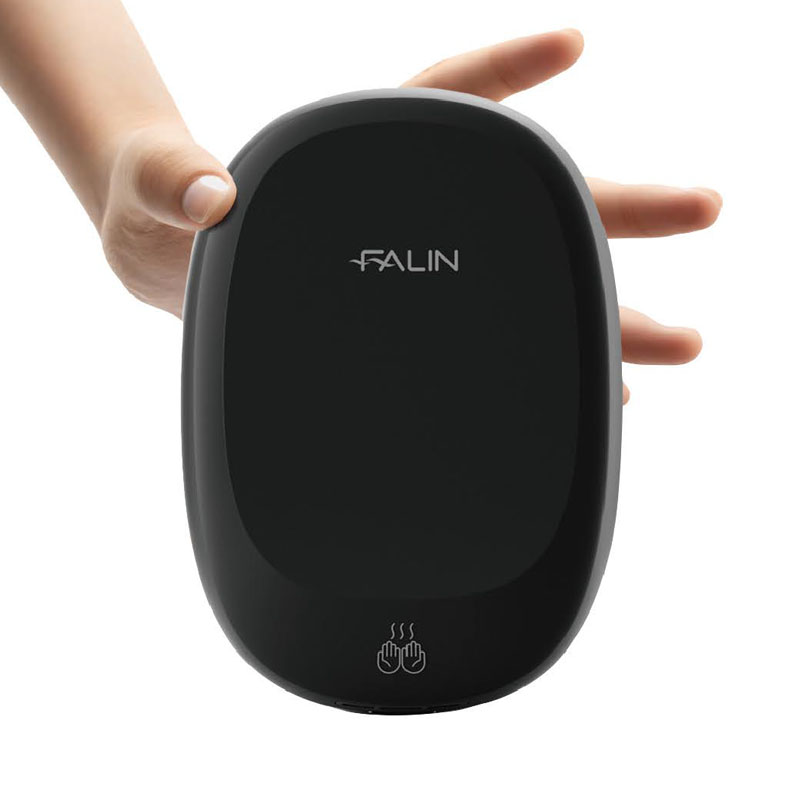
A commercial automatic hand dryer may be installed in two restrooms within the same building and still experience very different operating conditions.
Facility managers sometimes notice this when comparing maintenance records. One unit appears to operate quietly in the background for years, while another receives more frequent attention despite serving a similar number of users.
The reason is not always related to the dryer itself.
In many cases, location inside the building plays a larger role than people expect.
Air Movement Doesn't Stop At The Restroom Door
When architects design public facilities, they often think about how people move through a building.
Air behaves in a similar way.
A commercial automatic hand dryer installed near an entrance, corridor, or frequently opened doorway may be exposed to different airflow patterns throughout the day. Every open door can slightly change how air moves through the space.
Many visitors never notice these subtle changes.
Maintenance teams sometimes do.
Over months and years, environmental differences between locations can create noticeably different operating conditions even when identical equipment is installed.
Busy Areas Bring More Than More Users
At a glance, it seems logical that a heavily used restroom simply generates more wear.
The reality is often more complicated.
A commercial automatic hand dryer positioned near a building entrance may experience changing temperatures, varying humidity levels, and fluctuating occupancy patterns throughout the day. Morning traffic can look very different from afternoon traffic.
In office buildings, weather conditions outside can indirectly influence what happens inside.
Rainy days, hot afternoons, and cold mornings all affect how people interact with the facility.
The dryer becomes part of a larger environment rather than an isolated appliance.
Sensor Behavior Depends On Real-World Conditions
People often think of sensors as either working or not working.
In practice, sensor performance exists within an environment filled with movement.
A commercial automatic hand dryer located in a quiet restroom may encounter very predictable user behavior. In a crowded transportation hub or shopping center, surrounding activity can be much less consistent.
People pass by quickly. Others stop unexpectedly. Traffic patterns change throughout the day.
These real-world conditions help explain why installation location is often discussed alongside product selection during restroom planning.
Cleaning Schedules Reveal Interesting Patterns
Facility staff frequently discover that two restrooms serving similar numbers of visitors do not always require the same level of attention.
A commercial automatic hand dryer installed in a high-traffic area often becomes part of a broader maintenance pattern. Dust, moisture, and general restroom conditions can vary significantly depending on where the facility is located within the building.
Actually, some maintenance teams learn more from routine inspection logs than from technical manuals.
The records often reveal how environmental factors influence equipment over time.
Buildings Create Their Own Micro-Environments
One of the more interesting observations in facility management is that buildings rarely behave as a single uniform space.
Different floors, corridors, entrances, and restrooms can develop their own operating conditions.
Because of this, a commercial automatic hand dryer may experience a slightly different environment depending on its location, even within the same property.
The unit itself may not change.
The surrounding conditions do.
That is why experienced facility managers often evaluate restroom equipment as part of the entire building environment rather than as a standalone product.
When a hand dryer performs consistently year after year, it is often the result of both product design and a well-understood installation environment working together.


 Building 19, Block 9, Bihu Wangyang Town, Liandu District, Lishui City, Zhejiang Province, China