

 English
 中文简体
中文简体
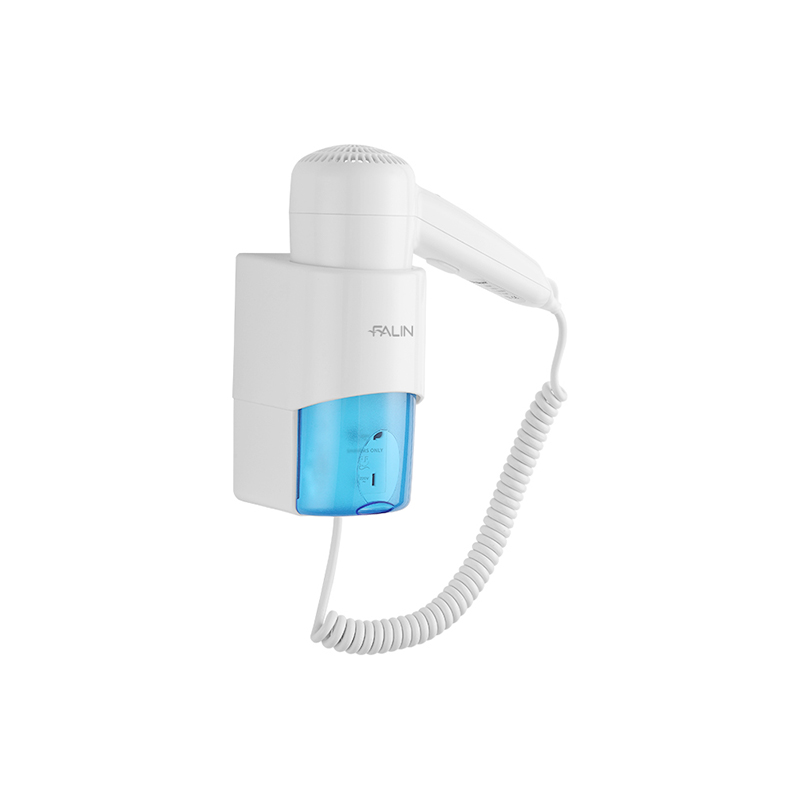
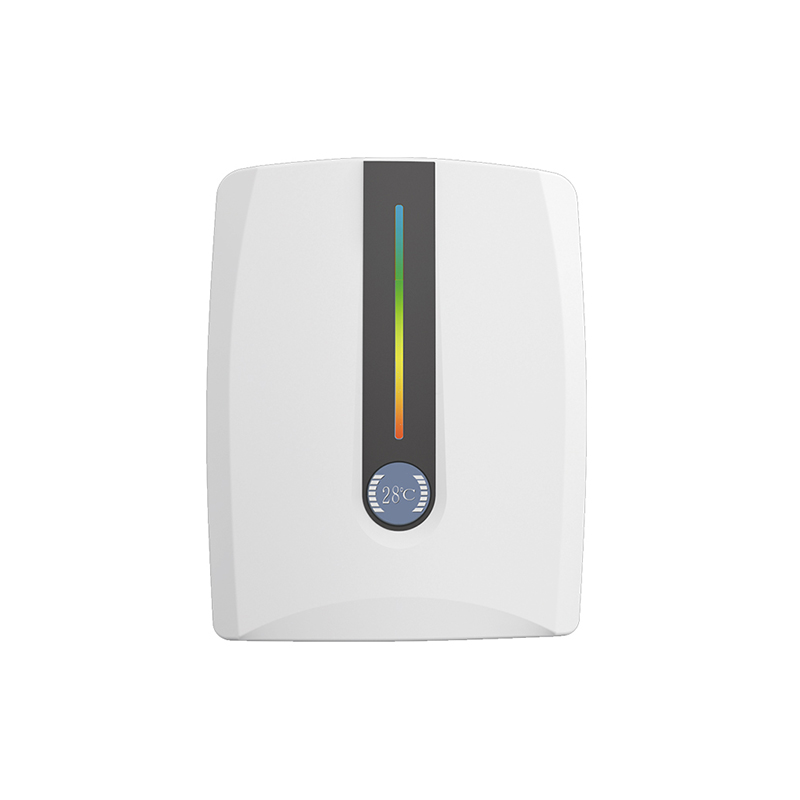
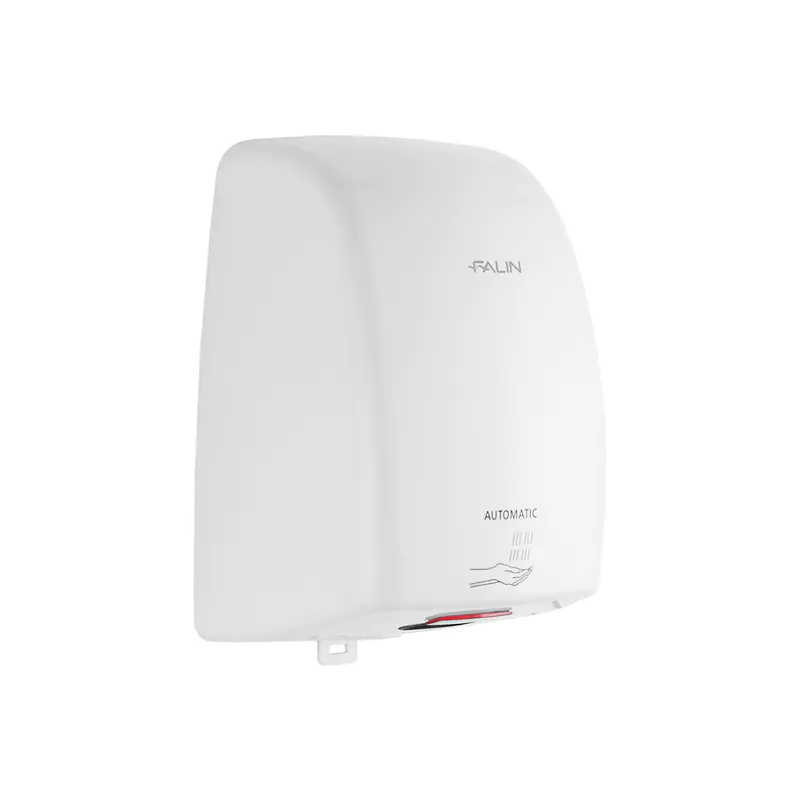
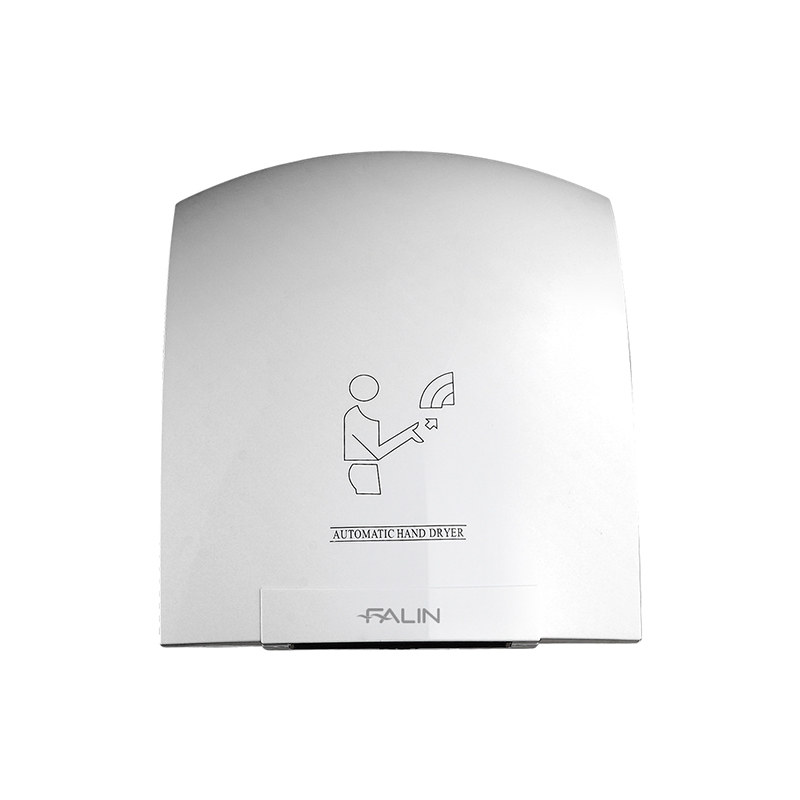
A hand dryer ipx1 is often selected in environments where water exposure is limited but humidity is still present. In many installation sites, engineers do not evaluate the product in isolation, but instead observe how it behaves under different washroom layouts and long-term moisture conditions.
During early installation checks, technicians usually test air output first, then move to sensor response, and only later consider the enclosure protection level. The IPX1 hand dryer ipx1 classification appears in documentation when light vertical water exposure is expected rather than full wet-room conditions. In practice, the rating is often discussed together with installation height and wall distance instead of being treated as a standalone specification.
Another term frequently recorded in procurement and maintenance notes is bathroom drying equipment, especially in commercial washrooms with controlled ventilation systems and frequent user flow.
Installation Locations Are Not Always Fully Dry
Some washrooms remain dry most of the time.
Others have continuous water activity nearby.
Sink areas.
Mirror walls.
Shared public facilities.
Even corridor-adjacent restrooms show different moisture behavior depending on building usage.
In these spaces, installers often note that hand dryer ipx1 units are positioned slightly away from direct splash zones instead of being placed directly above sinks. Small shifts of a few centimeters in mounting position are often recorded during on-site adjustment.
Technicians sometimes revisit the same installation after several days because users report water reaching the wall surface under heavy traffic conditions.
Vertical Water Exposure Is The Main Consideration
Maintenance teams rarely focus on direct water pressure.
Instead, they observe vertical drip patterns and indirect exposure.
Condensation from pipes above ceiling panels.
Residual water from handwashing.
Occasional splash rebound from sink edges.
Cleaning staff also introduce temporary moisture during floor washing cycles.
These conditions create the practical boundary for IPX1 hand dryer ipx1 usage in real installations, especially in buildings where cleaning schedules occur multiple times per day.
Airflow Testing Happens Before Final Mounting
Before fixing the unit to the wall, technicians usually run short activation tests several times.
Sensor response is checked from different angles.
Air direction is observed with hand placement variation.
Drying distance is measured informally using paper movement instead of instruments.
Noise level is noted in passing without formal recording.
At this stage, bathroom drying equipment is evaluated alongside surrounding wall materials, tile reflection, and mounting height alignment.
Sometimes the same unit is re-tested after slight repositioning because airflow direction feels different depending on wall distance.
Different Buildings Show Different Exposure Patterns
Not all washrooms behave the same.
Office buildings show predictable peak usage.
Restaurants show repeated short cycles.
Factories show shift-based bursts.
Shopping centers show irregular but continuous flow.
Each location produces a different moisture pattern, even if the same hand dryer ipx1 model is installed across all sites.
Maintenance teams often compare two identical units installed in different buildings and notice that condensation marks on surrounding walls develop at different speeds.
Maintenance Records Stay Brief But Repetitive
Work logs are rarely detailed.
Instead, they repeat similar short entries across different days.
vertical moisture level stable
sensor response consistent
enclosure condition unchanged
installation height confirmed
airflow direction normal after adjustment
These notes appear repeatedly in IPX1 hand dryer ipx1 inspection sheets without extended explanation. Over time, repetition itself becomes the only indicator of stability.
Some technicians add side comments such as “no user complaints during peak hours” or “cleaning cycle increased this week,” but these are usually written in margins rather than formal reports.
Environmental Layout Continues To Influence Behavior
Wall distance.
Sink spacing.
User traffic flow.
Ventilation direction.
Even tile reflection and corridor airflow.
All these factors influence final positioning more than the specification itself.
As a result, bathroom drying equipment selection is often decided together with building layout planning rather than product comparison alone. In many projects, installers adjust position twice or even three times before final confirmation because small environmental differences become noticeable only after real use begins.
The operating behavior of a hand dryer ipx1 is therefore not judged only at installation, but observed again during early usage days when moisture patterns start to form naturally in the space.


 Building 19, Block 9, Bihu Wangyang Town, Liandu District, Lishui City, Zhejiang Province, China