

 English
 中文简体
中文简体
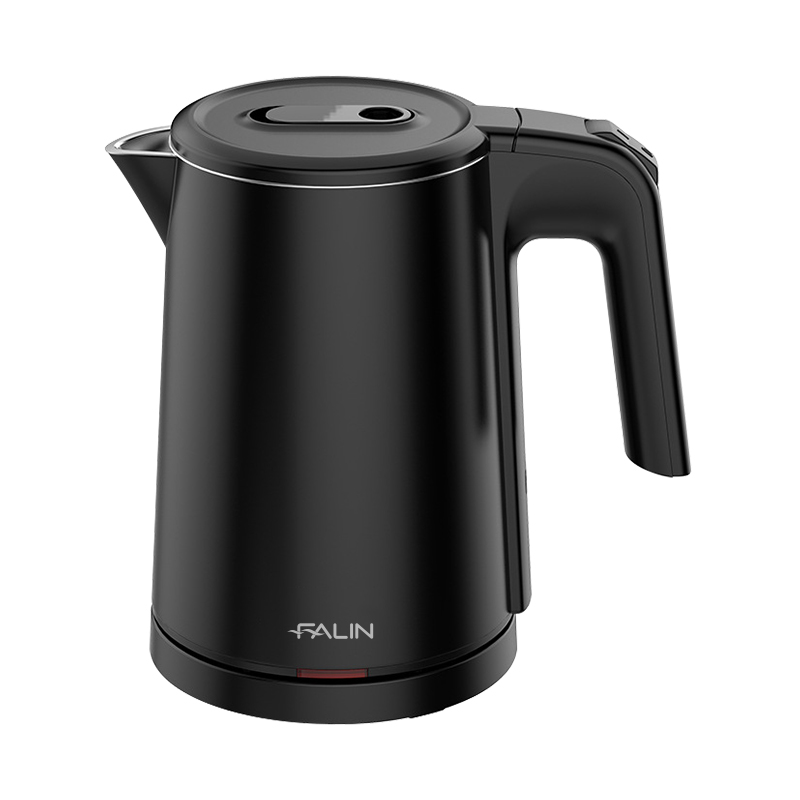
The Energy Saving Electric Kettle is now commonly seen in shared kitchen spaces and compact office environments where boiling water happens many times during the day. In some setups, it sits next to other small appliances and is used without any fixed timing pattern.
Morning, midday, late afternoon — the Energy Saving Electric Kettle does not really follow a stable schedule. It gets switched on when needed, sometimes once, sometimes several times in a short period. That alone already changes how it behaves in daily use.
Operation does not stay in one condition
In actual environments, the Energy Saving Electric Kettle is rarely used in identical conditions. Water level is not always the same. Sometimes it is half-filled, sometimes close to full, sometimes just enough for a single cup.
The Energy Saving Electric Kettle responds differently depending on those small changes. Not in a dramatic way, but enough that heating time is not always identical from one cycle to another.
There are also gaps between uses. A long idle gap, then a quick restart. Or repeated back-to-back boiling cycles. The Energy Saving Electric Kettle tends to reflect that rhythm rather than operate in a fixed pattern.
Environment and water source quietly affect it
Temperature in the room, or even where the kettle is placed, has some influence. A colder corner in a kitchen behaves differently compared with a warmer open counter. The Energy Saving Electric Kettle reacts slightly slower in those colder conditions, especially during the first cycle of the day.
Water source is another factor that shows up later rather than immediately. The Energy Saving Electric Kettle used with harder water gradually develops internal changes on the heating base. It doesn’t stop anything suddenly, but over time it becomes part of the routine cleaning process.
Repetition changes the rhythm
What stands out in long-term use is not a single performance shift, but the rhythm of repeated cycles. The Energy Saving Electric Kettle behaves differently across the day depending on how often it is activated.
boiling time varies slightly between early and later use
heating sound is not always identical across cycles
water level changes affect cycle timing more than expected
idle time between uses changes response behavior
scale buildup slowly becomes visible with repetition
None of these appear as isolated events. They show up gradually in daily operation of the Energy Saving Electric Kettle, usually noticed only when comparing different moments of use.
Usage context in different setups
In shared or office environments, the Energy Saving Electric Kettle often becomes part of a mixed usage pattern rather than a single-user routine. Different people interact with it across the day, and timing is not always consistent.
The Energy Saving Electric Kettle is sometimes used in quick cycles during short breaks, then left unused for longer periods. This alternating pattern creates variations in how it behaves across time, especially when observed over multiple days.
Equipment selection in real environments
In practical use scenarios, different kitchens or office setups may involve different kettle configurations depending on power limits, usage frequency, and available space. The Energy Saving Electric Kettle is often placed in environments where compact size and repeated heating cycles are both part of daily expectations.
Some setups prioritize stable repeated heating across the day, while others involve occasional but higher volume use. In both cases, the Energy Saving Electric Kettle operates within the same basic structure, but the surrounding conditions determine how frequently it is activated and how the cycles are distributed.
This is why the Energy Saving Electric Kettle is usually evaluated in relation to its actual working environment rather than a single fixed usage scenario.


 Building 19, Block 9, Bihu Wangyang Town, Liandu District, Lishui City, Zhejiang Province, China