

 English
 中文简体
中文简体
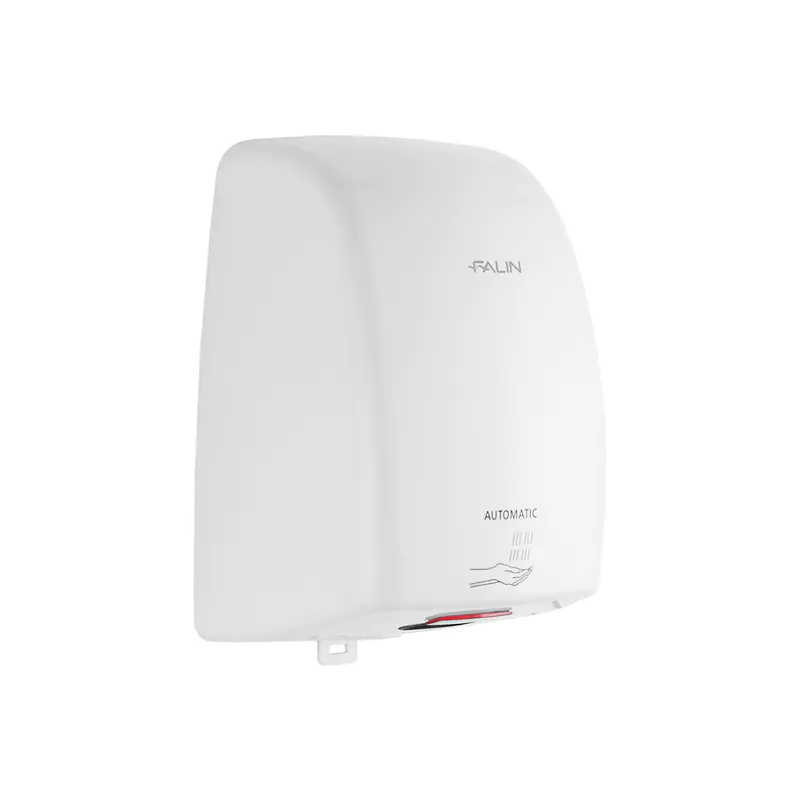
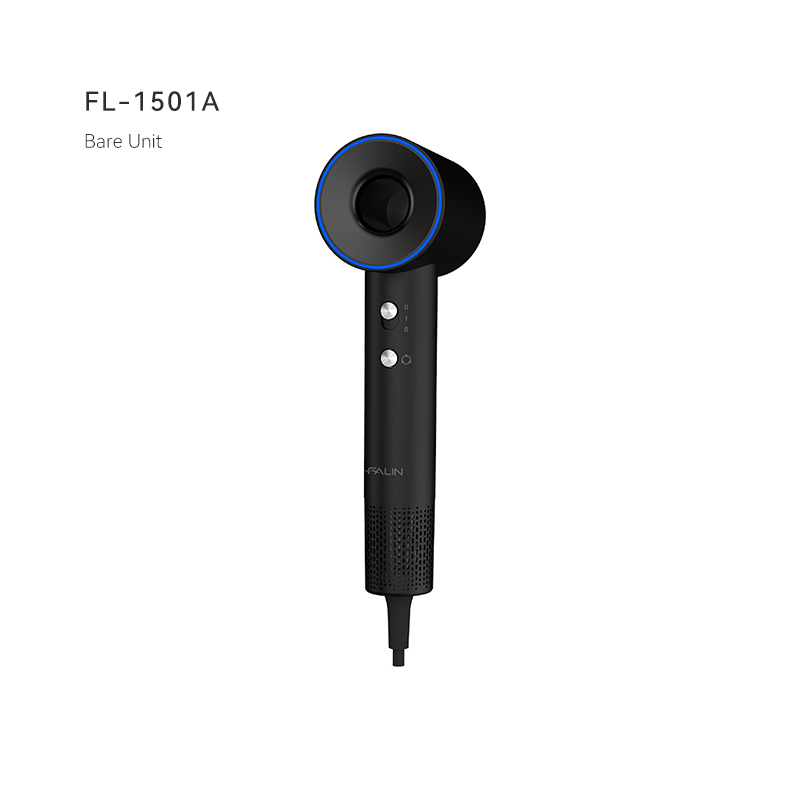
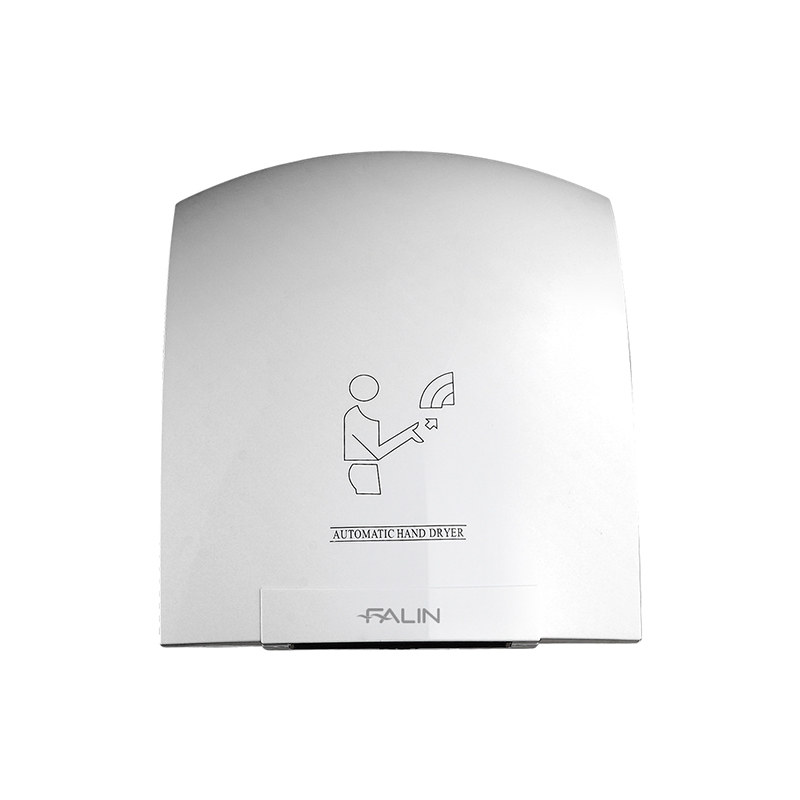
Residential buyers researching bathroom upgrades are asking installers a question that rarely came up five years ago: whether a touchless hand dryer for home use makes sense outside commercial restrooms. Hygiene habits shifted noticeably after recent years of heightened health awareness, and manufacturers producing compact residential units report steady interest from homeowners who previously associated sensor dryers only with airports and offices.
Why Households Are Considering Sensor Technology
Paper towel consumption in family homes adds up quickly, and some households have started calculating the ongoing cost against a one-time appliance purchase. A touchless hand dryer for home bathrooms eliminates recurring paper waste while also removing a surface that guests would otherwise touch repeatedly throughout the day. Parents with young children often cite hygiene as the primary motivator, since infrared sensor activation avoids the shared contact point that a manual towel dispenser or cloth towel creates.
Energy-efficient hand dryer models designed specifically for residential circuits have made adoption easier than early commercial units allowed. Older commercial dryers frequently drew more current than a typical home bathroom outlet could safely handle, which limited residential use for years. Compact motors now paired with home wiring standards have removed that obstacle, letting a touchless hand dryer for home installation proceed without electrical panel upgrades in most cases.
Installation and Placement Patterns
Bathroom renovation contractors report that placement decisions differ from commercial settings considerably. In an office restroom, a sensor dryer typically sits near the sink at a fixed commercial height. In a home, buyers often request adjustable mounting so a touchless hand dryer for home unit works for both children and adults sharing the same bathroom. Some installers now offer dual height mounting brackets specifically to address this feedback.
Wall mounted hand dryer units also raise noise considerations similar to those seen in hotel bathrooms. Since home bathrooms sit closer to bedrooms than commercial restrooms typically do, quieter motor options have become a frequent request alongside touchless activation. Buyers comparing models often ask suppliers directly about decibel ratings before finalizing an order, treating sound output as equally important as sensor responsiveness.
Sensor Reliability in Residential Settings
Infrared sensor calibration behaves differently in a home bathroom than in a commercial restroom with constant foot traffic. Humidity from showers can occasionally interfere with sensor accuracy if placement sits too close to a shower enclosure, which is why installers recommend keeping a touchless hand dryer for a home unit a reasonable distance from direct steam exposure. Manufacturers have responded with sensors rated for higher humidity tolerance specifically aimed at residential bathroom conditions rather than the drier commercial environments dryers were originally designed for.
Sourcing and Manufacturing Trends
Factories that historically focused only on commercial hand dryer production have expanded product lines to include smaller residential variants, recognizing that home buyers want a different aesthetic than stainless steel commercial housing typically offers. Matte finishes and compact profiles now appear alongside traditional commercial designs, letting a touchless hand dryer for home fit bathroom interiors styled for residential rather than institutional spaces.
Export buyers sourcing residential sensor dryers report that certification requirements vary meaningfully by destination market, particularly around voltage compatibility and electrical safety marks. Suppliers experienced in both commercial hand dryer and residential product lines tend to navigate these certification differences more smoothly than factories new to the category, since much of the underlying sensor and motor technology carries over between product types.
As household hygiene habits continue shifting, demand for a touchless hand dryer for home bathrooms appears likely to keep growing alongside broader interest in touch-free fixtures throughout residential spaces, from faucets to soap dispensers.


 Building 19, Block 9, Bihu Wangyang Town, Liandu District, Lishui City, Zhejiang Province, China